BACTERIA · Gram-negative curved/spiral rod
Helicobacter pylori
Helicobacter pylori — Gastric biopsy (Giemsa stain)
Stain: Modified Giemsa stain (gastric biopsy)Morphology: Curved/comma-shaped to spiral gram-negative rods overlying gastric epithelium and within mucusYield: HIGHDifficulty: MEDIUM
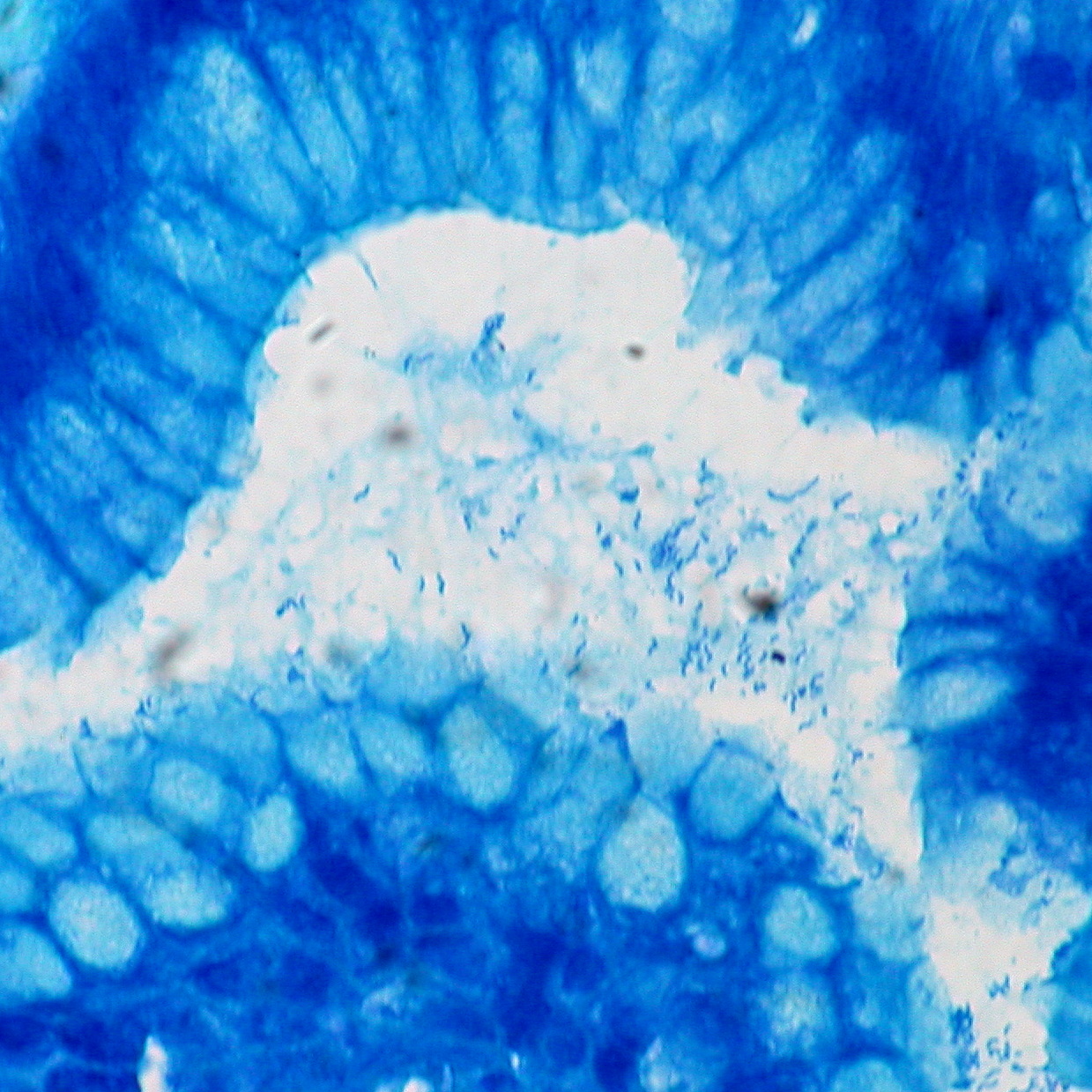
Image: Wikimedia Commons · Ed Uthman (CC BY 2.0)
Key facts
**Pathogenesis**: Urease hydrolyzes urea → ammonia, neutralizing gastric acid locally. CagA injected via type IV secretion disrupts tight junctions → carcinogenesis. **Diagnostic clue**: Urea breath test, stool antigen, biopsy with rapid urease (CLO) test, histology (Giemsa, Warthin-Starry). **Virulence**: Urease, CagA, VacA cytotoxin, flagellar motility.
Boards buzzwords
- urease-positive
- curved gram-negative rod
- duodenal ulcer
- MALToma
- intestinal-type gastric adenocarcinoma
- triple therapy
Associated diseases
- Chronic active gastritis (antral)
- Duodenal ulcer (#1 cause)
- Gastric ulcer
- Gastric MALT lymphoma
- Intestinal-type gastric adenocarcinoma
Treatment
Triple therapy (PPI + clarithromycin + amoxicillin OR metronidazole) × 14 days; quadruple therapy (PPI + bismuth + tetracycline + metronidazole) for clarithromycin-resistant regions
Related organisms
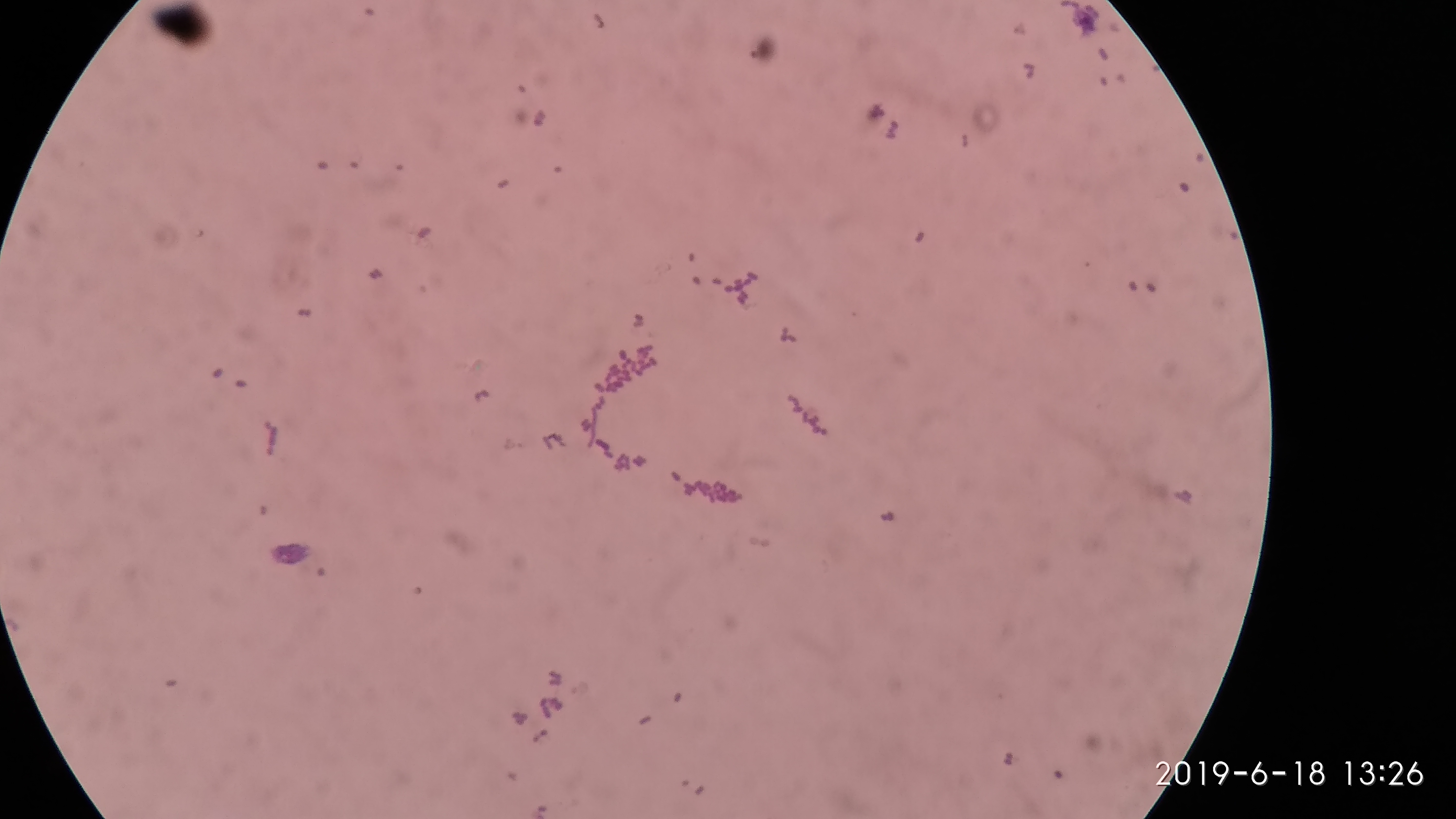
Listeria monocytogenes
Gram-positive rod (facultative intracellular)
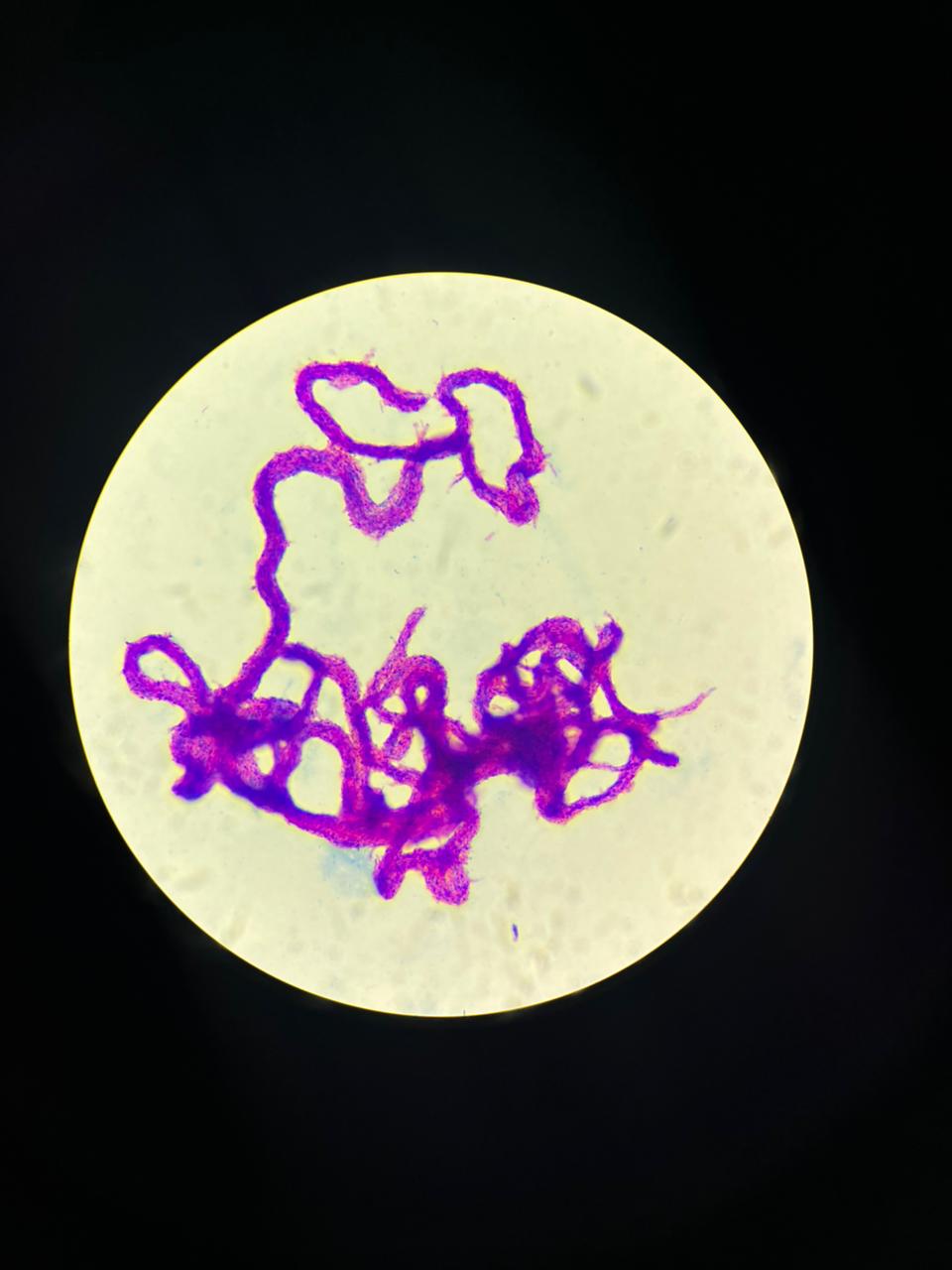
Mycobacterium tuberculosis
Acid-fast bacillus (mycolic acid cell wall)
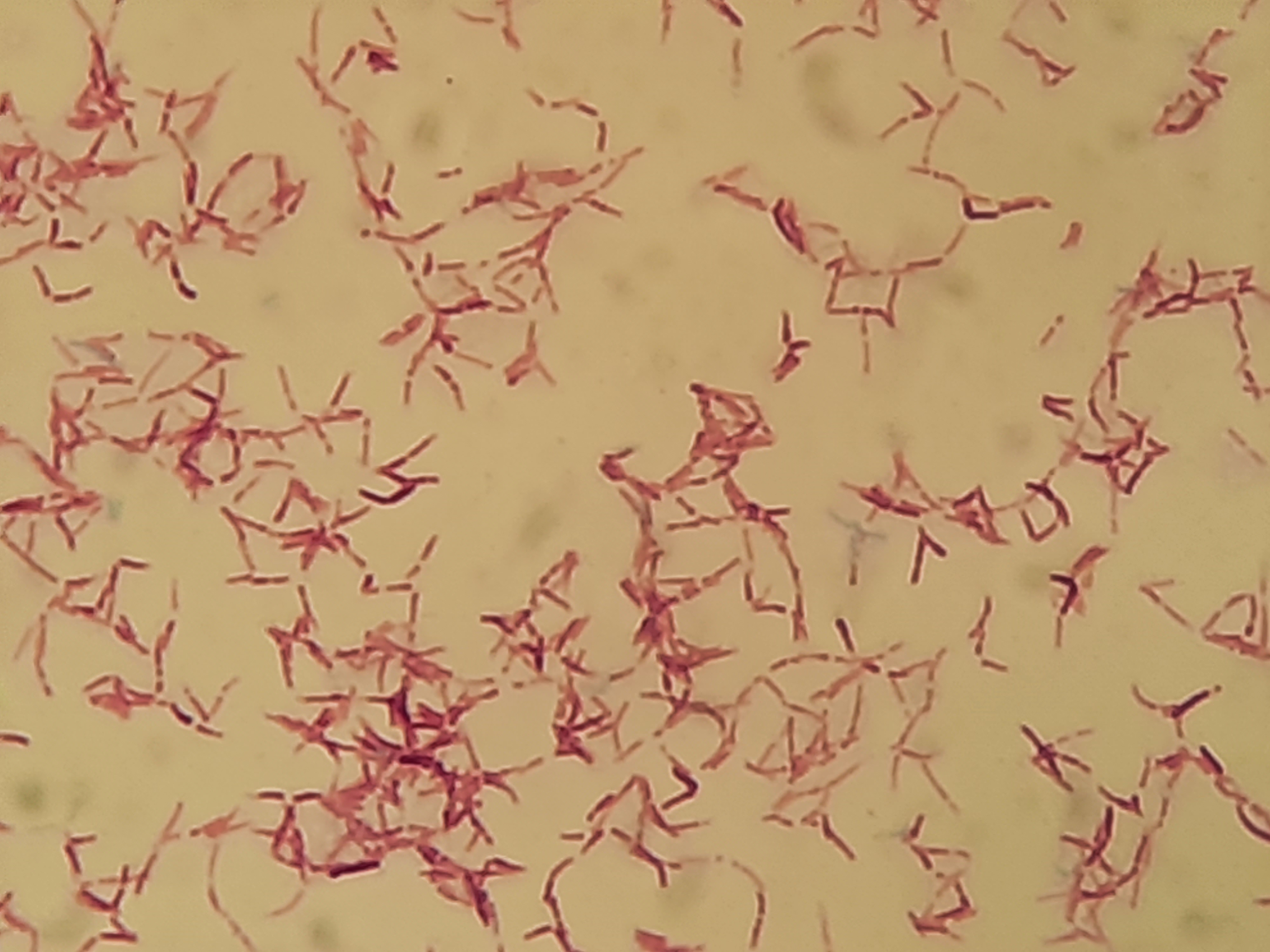
Nocardia spp.
Gram-positive filamentous, partially acid-fast
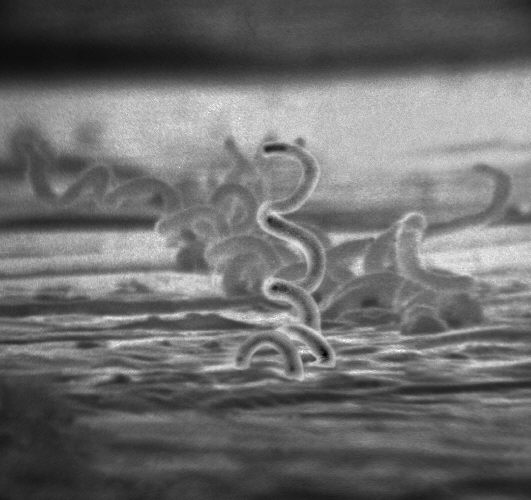
Treponema pallidum
Spirochete
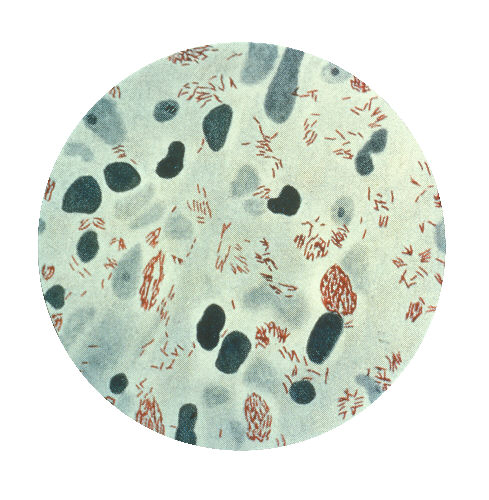
Mycobacterium leprae
Acid-fast bacillus (obligate intracellular)
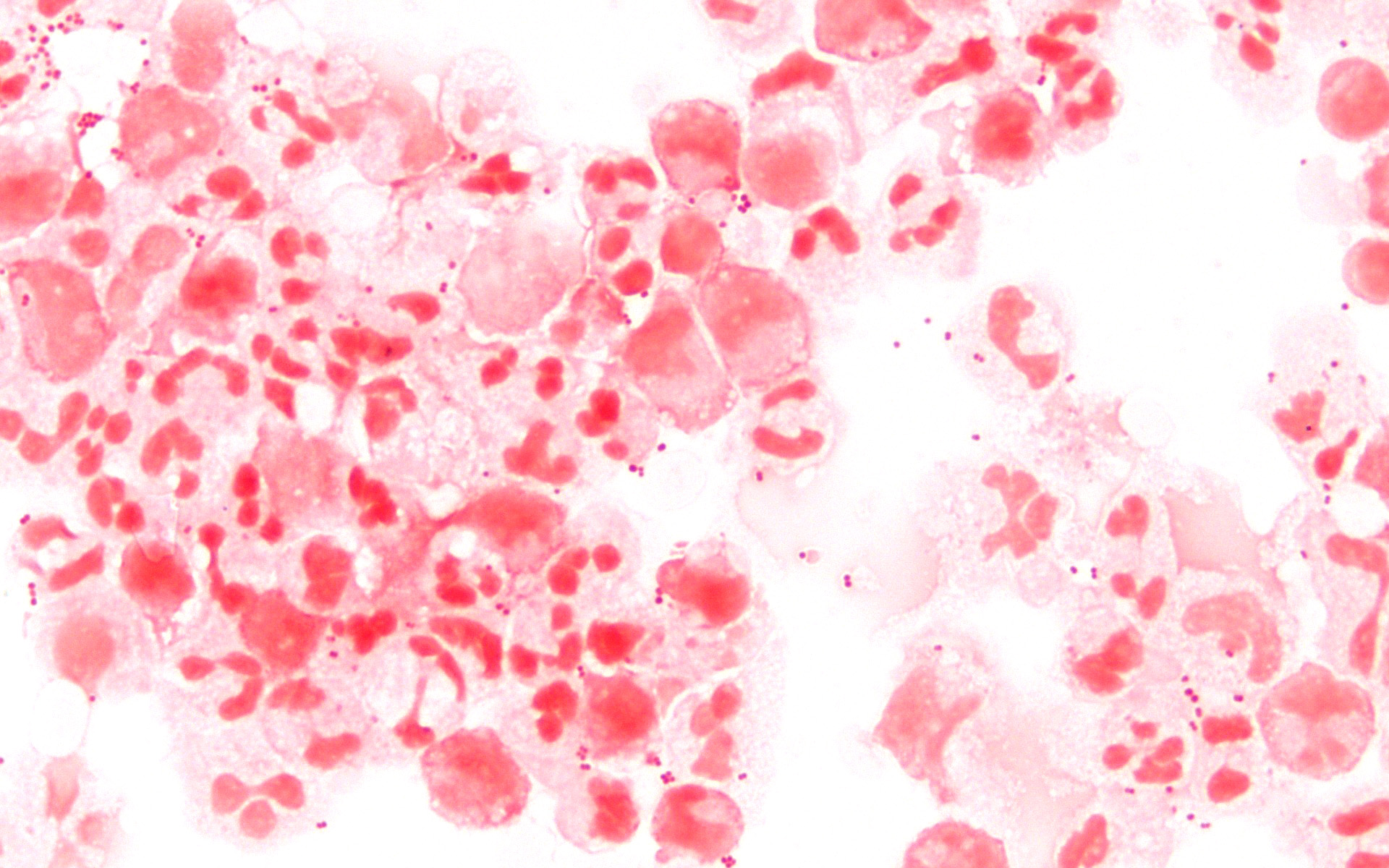
Neisseria meningitidis
Gram-negative diplococci