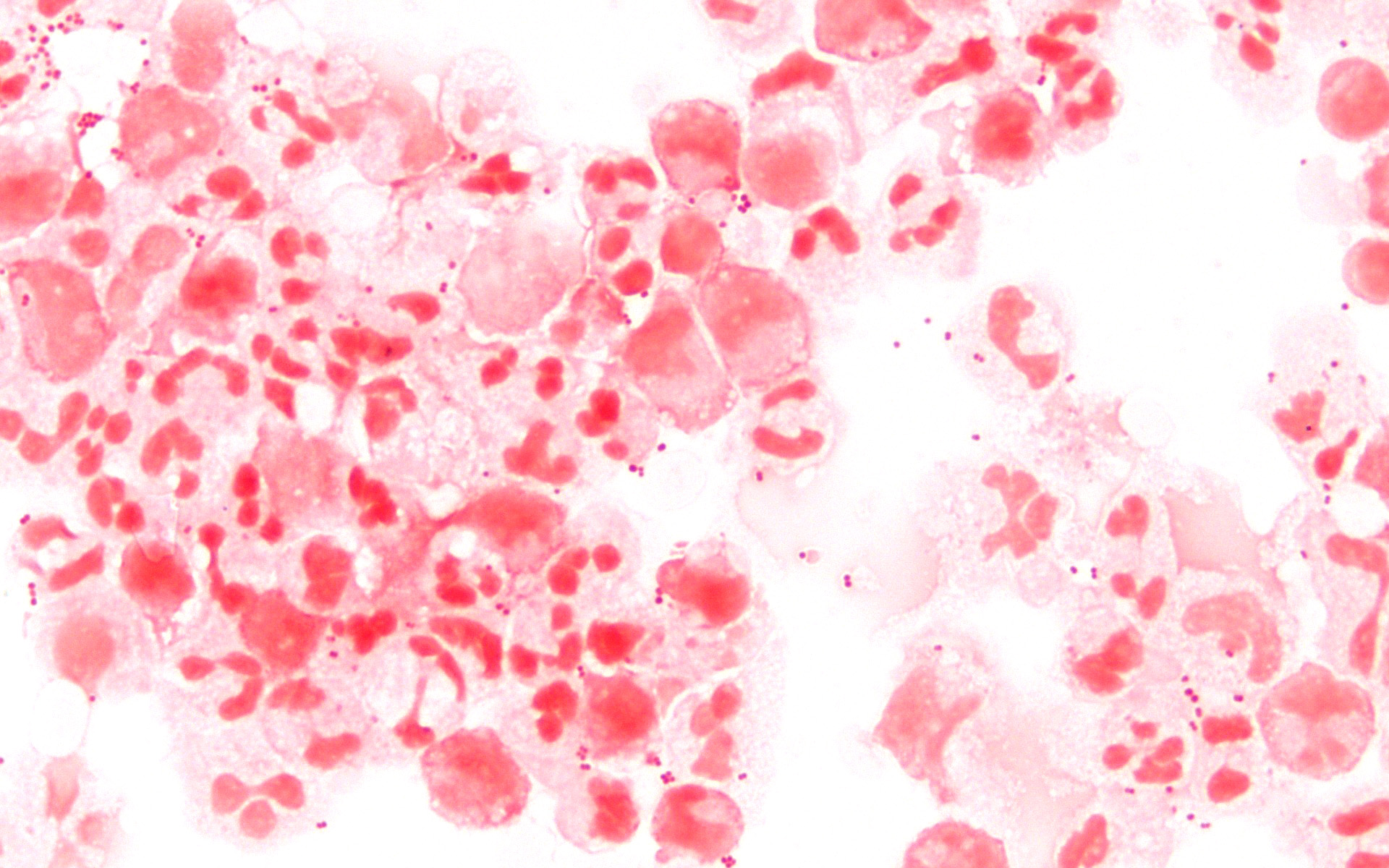
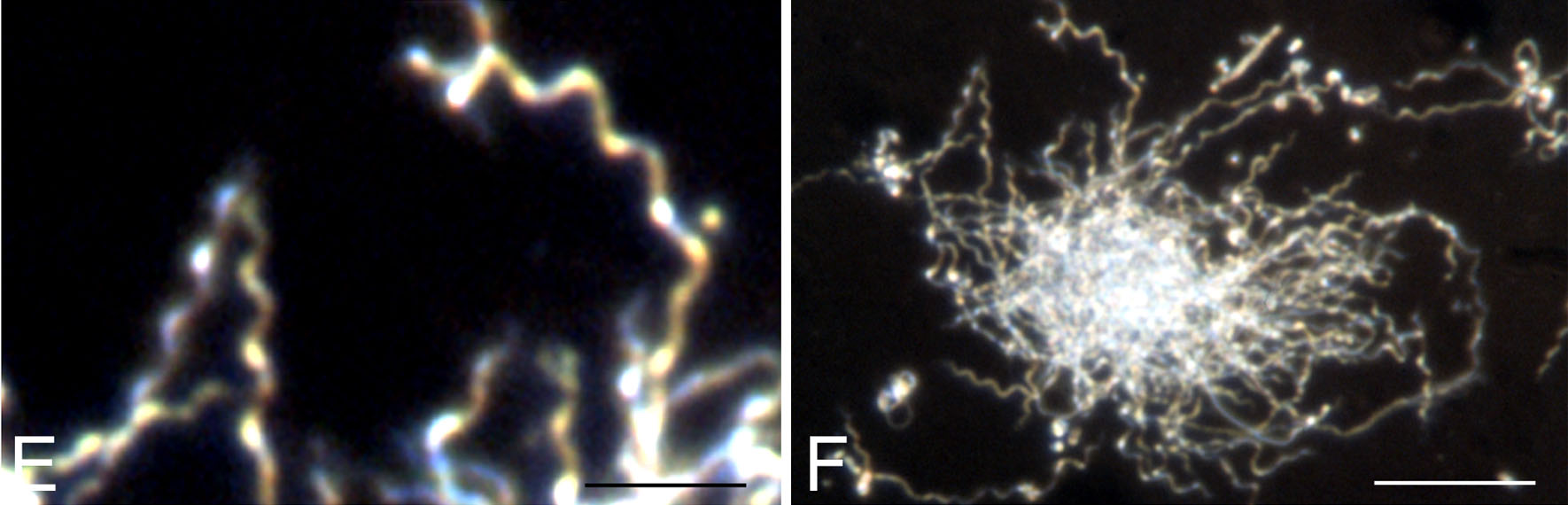
BACTERIA · Acid-fast bacillus (obligate intracellular)
Mycobacterium leprae
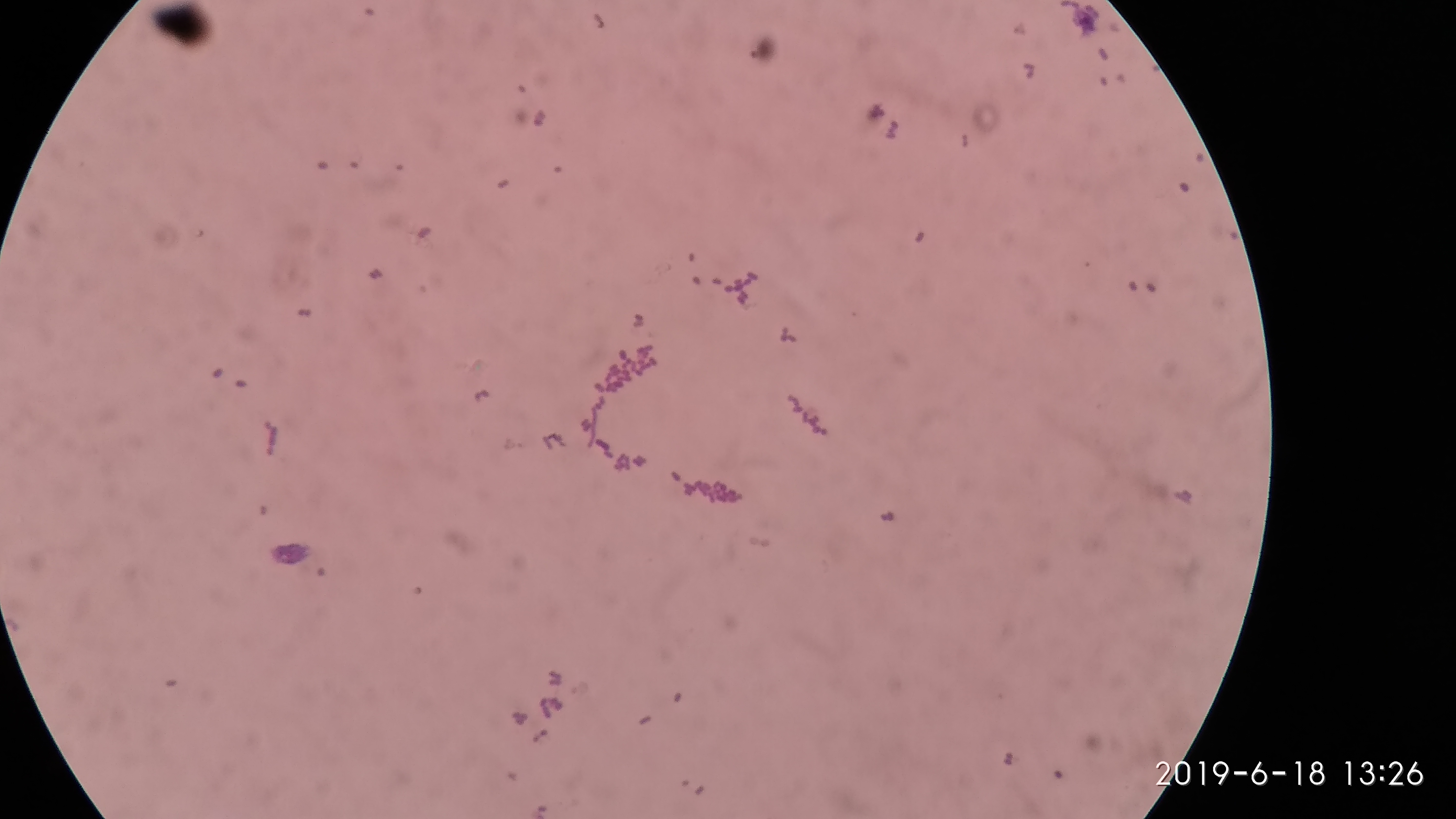
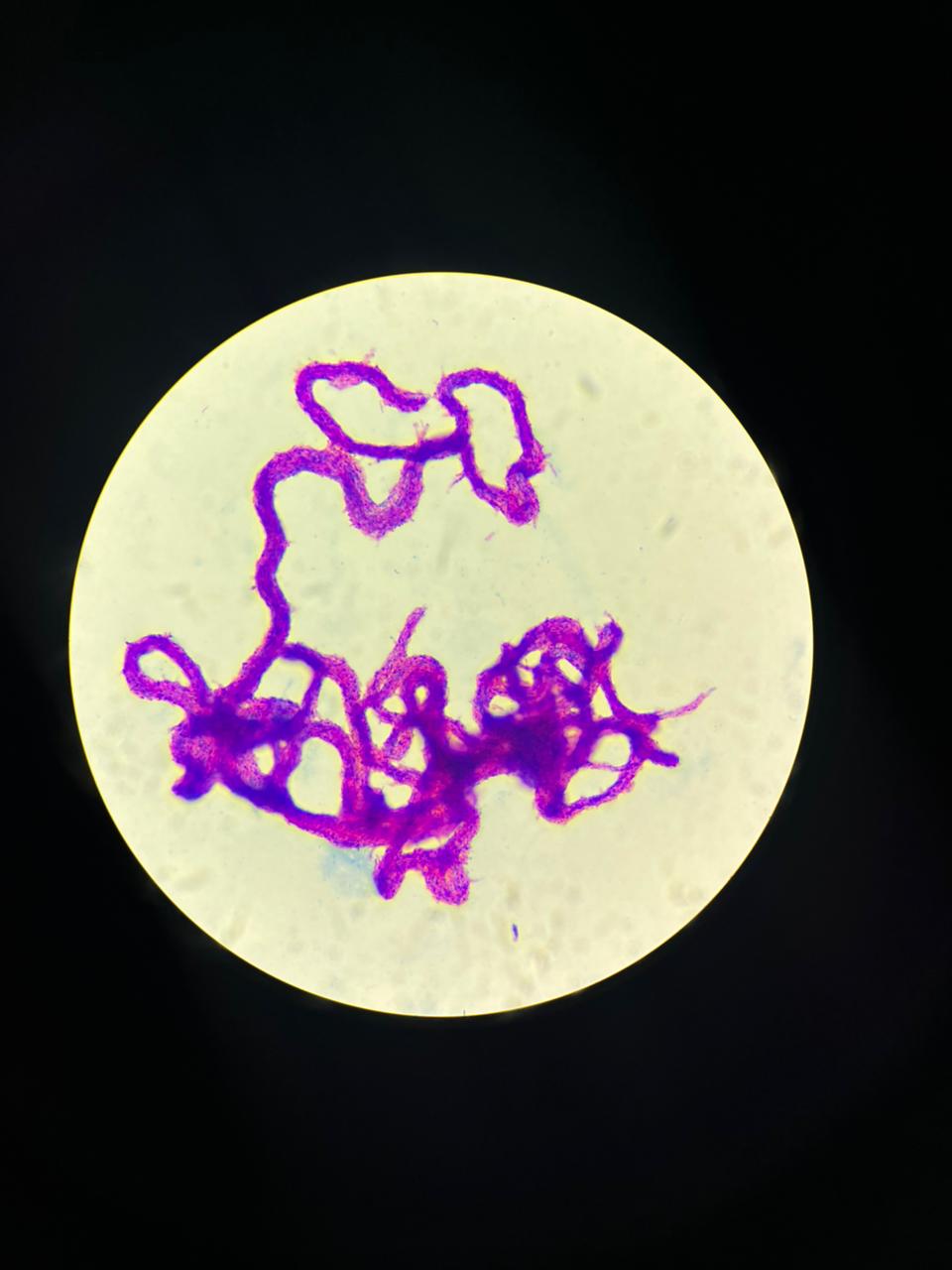
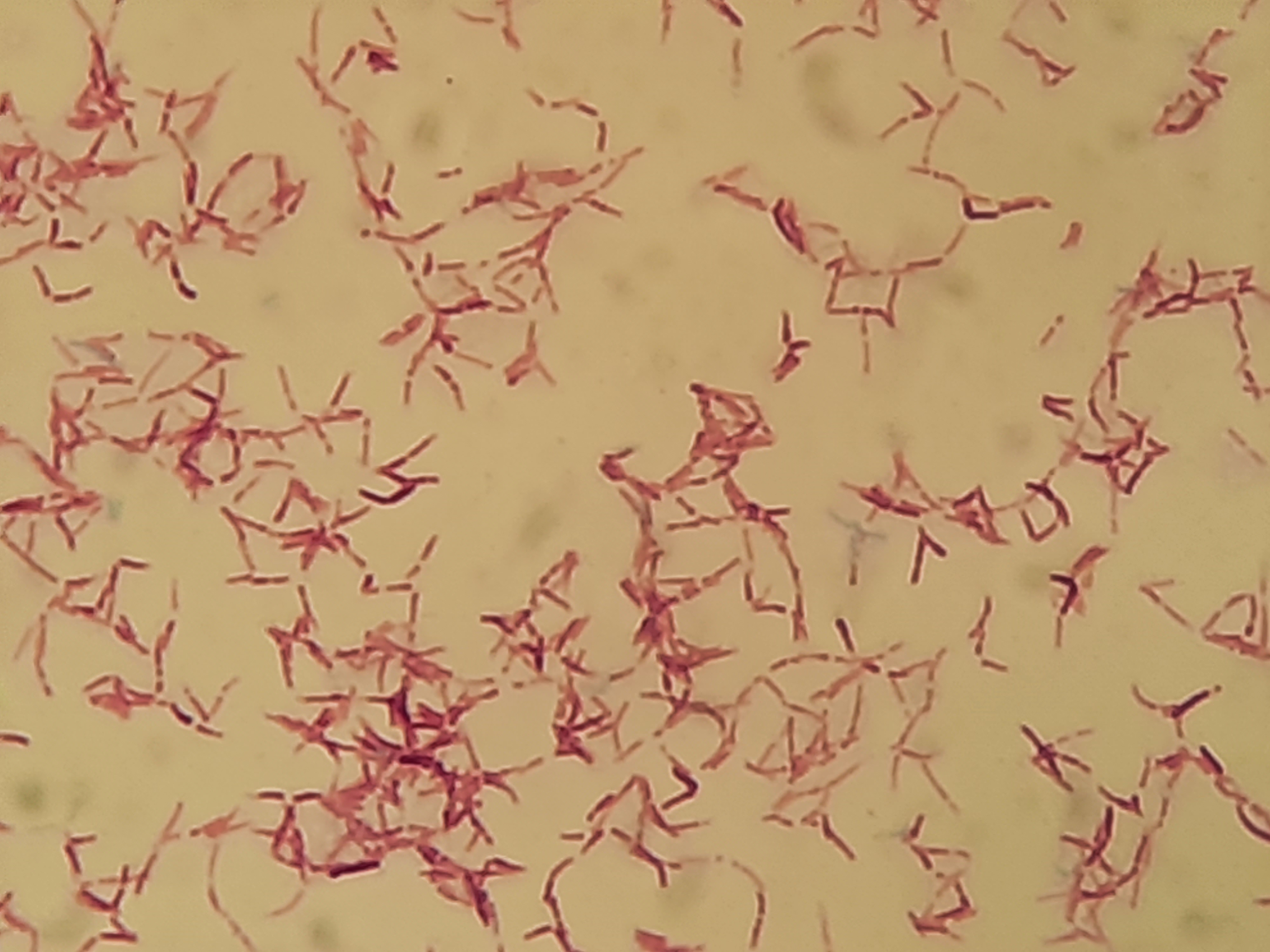
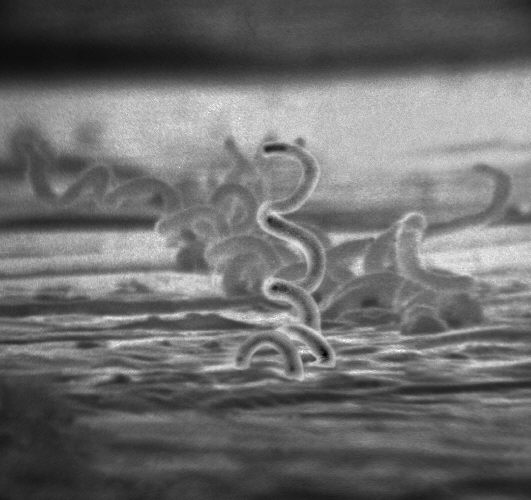
Mycobacterium leprae — Acid-fast skin biopsy
Stain: Acid-fast / Fite stain (skin lesion)Morphology: Small brick-red acid-fast rods, often in 'cigar bundle' clusters within macrophages (globi)Yield: MEDIUMDifficulty: MEDIUM
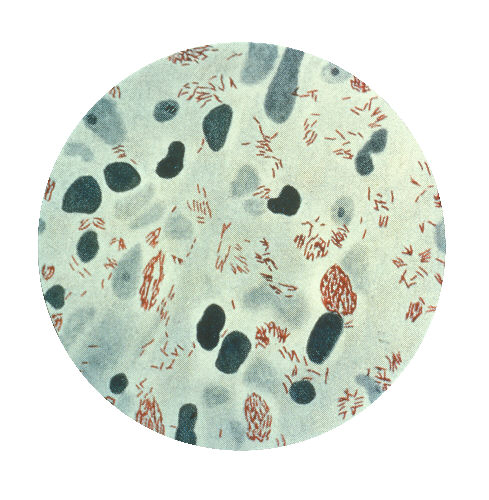
Image: Wikimedia Commons · File:Mycobacterium_leprae.jpeg · CDC/PHIL (Public Domain)
Key facts
**Pathogenesis**: Obligate intracellular; cannot be cultured in vitro — replicates only in cooler areas (skin, peripheral nerves, nose, testes) via armadillos. Outcome depends on host Th response — Th1 → tuberculoid (limited); Th2 → lepromatous (disseminated). **Diagnostic clue**: Hypopigmented anesthetic skin patches + thickened peripheral nerves; acid-fast bacilli on Fite stain; lepromin test positive in tuberculoid, negative in lepromatous. **Virulence**: Intracellular survival, tropism for Schwann cells.
Boards buzzwords
- acid-fast
- cooler body temperature
- armadillos
- lepromin test
- globi
- leonine facies
- claw hand
Associated diseases
- Tuberculoid leprosy (paucibacillary)
- Lepromatous leprosy (multibacillary, leonine facies, saddle nose)
- Peripheral neuropathy with claw hand / foot drop
Treatment
Tuberculoid → dapsone + rifampin × 6–12 months; Lepromatous → dapsone + rifampin + clofazimine × ≥2 years (WHO MDT)