USMLEPrepUSMLEPrep
HomeFeaturesLearnPricingAboutBlog
Sign inStart free
HomeFeaturesLearnPricingAboutBlog
Sign inStart free
USMLEPrep

The AI study platform for medical students who want to ace their boards.

Get the weekly board-prep dispatch

High-yield pearl + one Socratic question every Sunday. No spam. Unsubscribe anytime.

Product
  • Features
  • Pricing
  • Question Bank
  • AI Tutor
Free study
  • Learn hub
  • Microbiology
  • Histology atlas
  • USMLE topics
Company
  • About
  • Blog
  • Contact
Legal
  • Terms of Service
  • Privacy Policy
  • Security
© 2026 Haven Technologies Inc. USMLEPrep™ is a product of Haven Technologies Inc. All rights reserved.Built for med students who match.
    Learn/Microbiology/Candida albicans
    FUNGUS · Yeast (dimorphic)

    Candida albicans

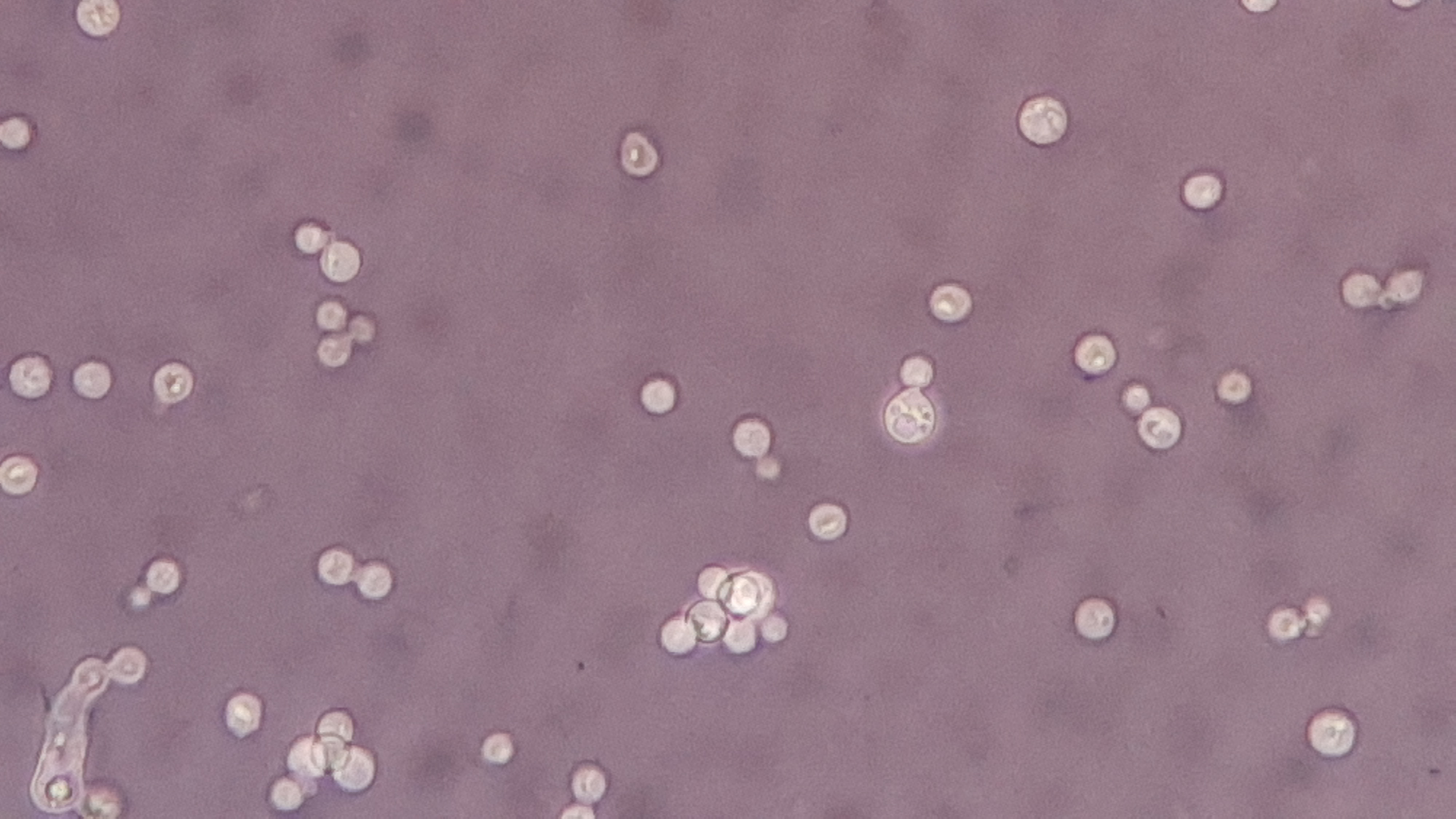
    Candida albicans — Gram stain (yeast + pseudohyphae)

    Stain: Gram stain of cultureMorphology: Gram-positive budding yeast cells with pseudohyphae (and true germ tubes at 37°C)Yield: HIGHDifficulty: EASY
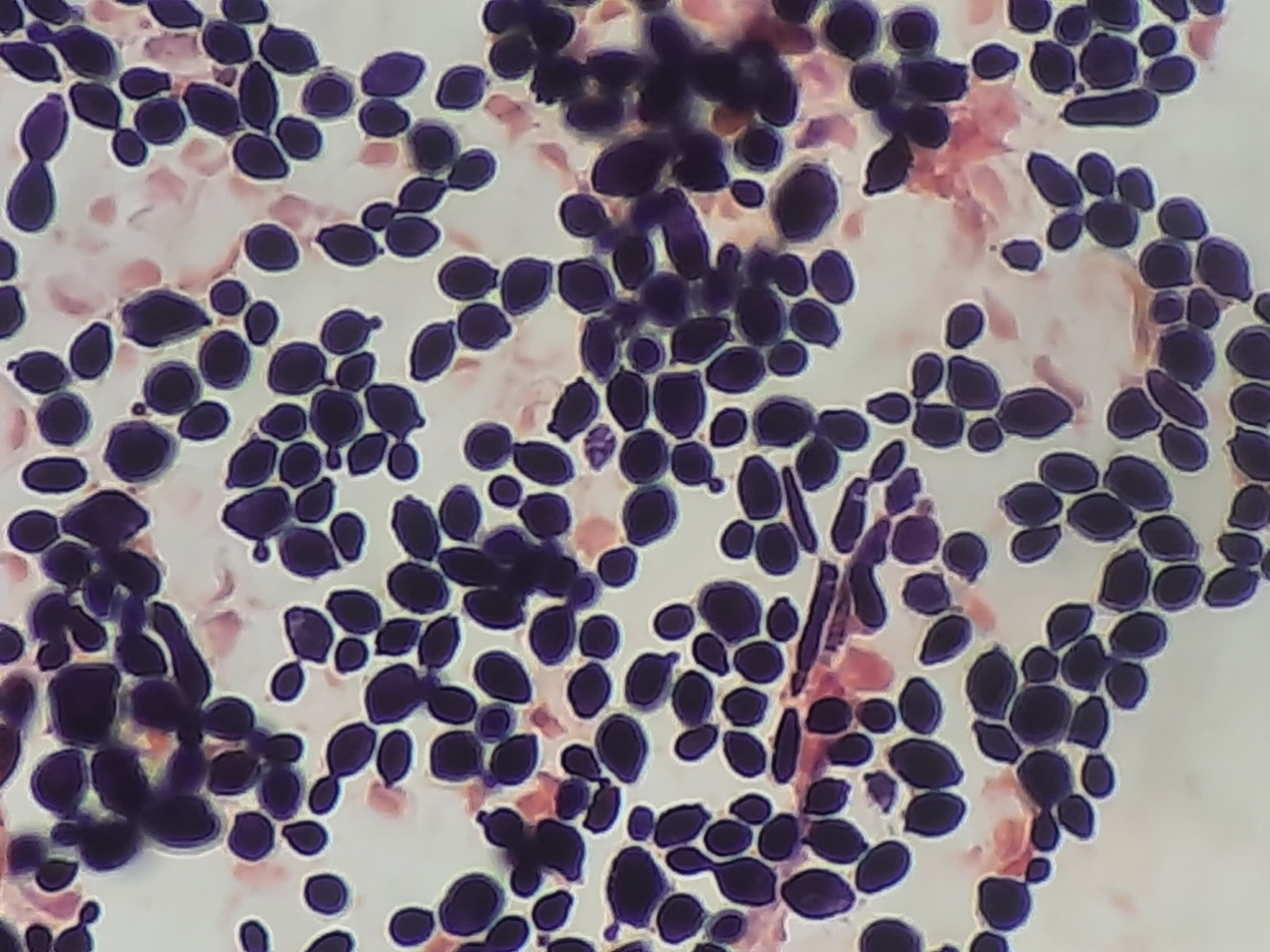
    Candida albicans microscopic image — Yeast (dimorphic), Gram stain of culture
    Image: Wikimedia Commons (CC BY-SA 4.0)

    Key facts

    **Pathogenesis**: Normal mucosal/skin flora that overgrows with antibiotic use, diabetes, T-cell dysfunction, or indwelling catheters. Transitions between yeast and pseudohyphal forms; germ tube formation at 37°C is diagnostic for C. albicans. **Diagnostic clue**: KOH wet mount or Gram stain shows budding yeast with pseudohyphae; germ tube test positive; cottage-cheese vaginal discharge or white plaques on tongue that scrape off (vs leukoplakia). **Virulence**: Hyphal invasion, biofilm formation on catheters.

    Boards buzzwords

    • pseudohyphae
    • germ tube at 37°C
    • thrush
    • diaper rash
    • vulvovaginitis
    • esophagitis in HIV

    Associated diseases

    • Oral thrush (HIV, inhaled steroids, neonates)
    • Esophagitis (AIDS-defining at CD4 <100)
    • Vulvovaginal candidiasis
    • Diaper dermatitis
    • Catheter-related candidemia / endocarditis (IVDU)
    • Chronic mucocutaneous candidiasis (T-cell defects)

    Treatment

    Mucocutaneous → topical nystatin, clotrimazole, or oral fluconazole; invasive candidemia → echinocandin (caspofungin, micafungin, anidulafungin) first-line; remove indwelling catheters
    Drill this organism

    Sign up to add this to your spaced-repetition queue and let the AI tutor quiz you on mechanism, treatment, and high-yield vignette traps.

    Create free accountBrowse all microbiology

    Related organisms

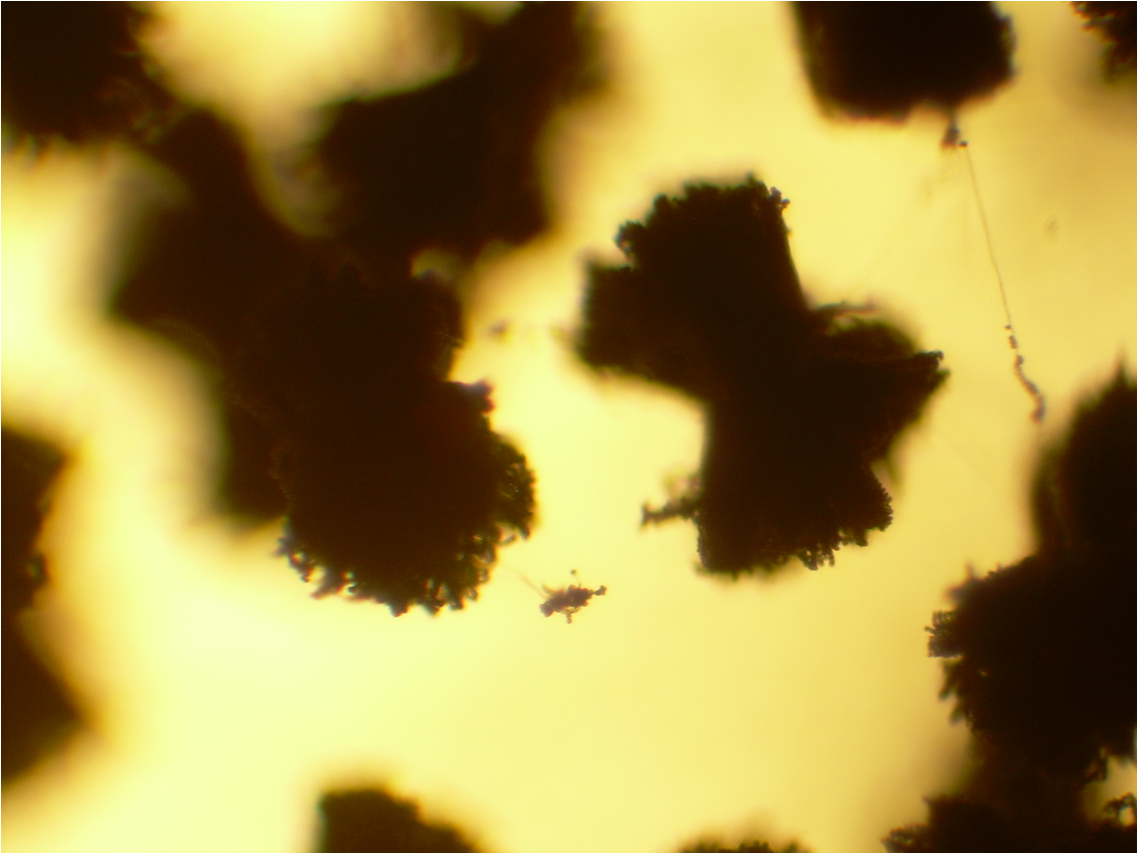
    Aspergillus fumigatus
    Aspergillus fumigatus
    Mold (monomorphic)
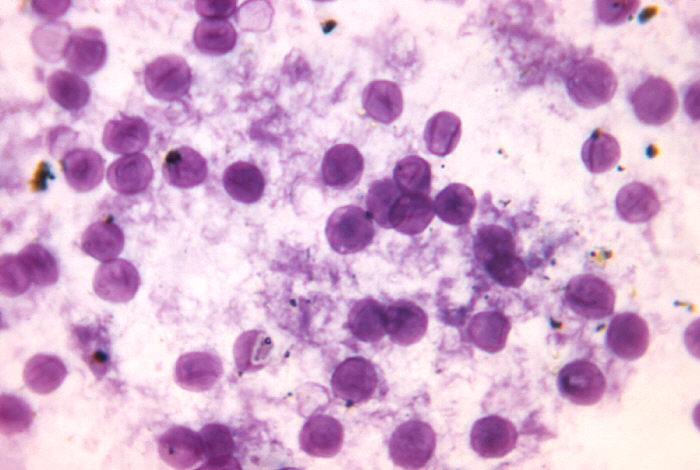
    Pneumocystis jirovecii
    Pneumocystis jirovecii
    Atypical fungus (extracellular)
    Cryptococcus neoformans
    Cryptococcus neoformans
    Encapsulated yeast