High-Yield Vitamins & Their Deficiencies
A board-focused sweep of the 13 essential vitamins — their coenzyme roles, classic deficiency syndromes, and toxicities — organized around the fat-soluble (ADEK) vs water-soluble split and the high-yield B12-vs-folate and thiamine pitfalls Step 1 loves to test.
The organizing framework
Vitamins are organic micronutrients that mostly act as enzyme cofactors/coenzymes; the body can't synthesize them in adequate amounts, so intake failures produce reproducible clinical syndromes. Step 1 divides them into two classes that behave very differently.
- Fat-soluble (A, D, E, K): absorbed with dietary fat and bile, then stored in liver and adipose. Because they accumulate, toxicity is possible, and they are selectively lost in fat-malabsorption states — cystic fibrosis, celiac/Crohn disease, chronic pancreatitis, cholestasis, and ileal resection.
- Water-soluble (B-complex + C): not appreciably stored (the exceptions are B12 and folate, held in liver reserves), so most deficiencies appear within weeks, and excess simply washes out in urine, making toxicity rare.
For each vitamin, know three things the way the exam tests them: the biochemical role, the deficiency buzzwords, and the classic at-risk patient.
Water-soluble vitamins at a glance
| Vitamin | Coenzyme / role | Deficiency (buzzwords) |
|---|---|---|
| B1 thiamine (TPP) | Pyruvate DH, α-KG DH, transketolase, branched-chain ketoacid DH | Wernicke-Korsakoff; dry beriberi (neuropathy), wet beriberi (high-output heart failure) |
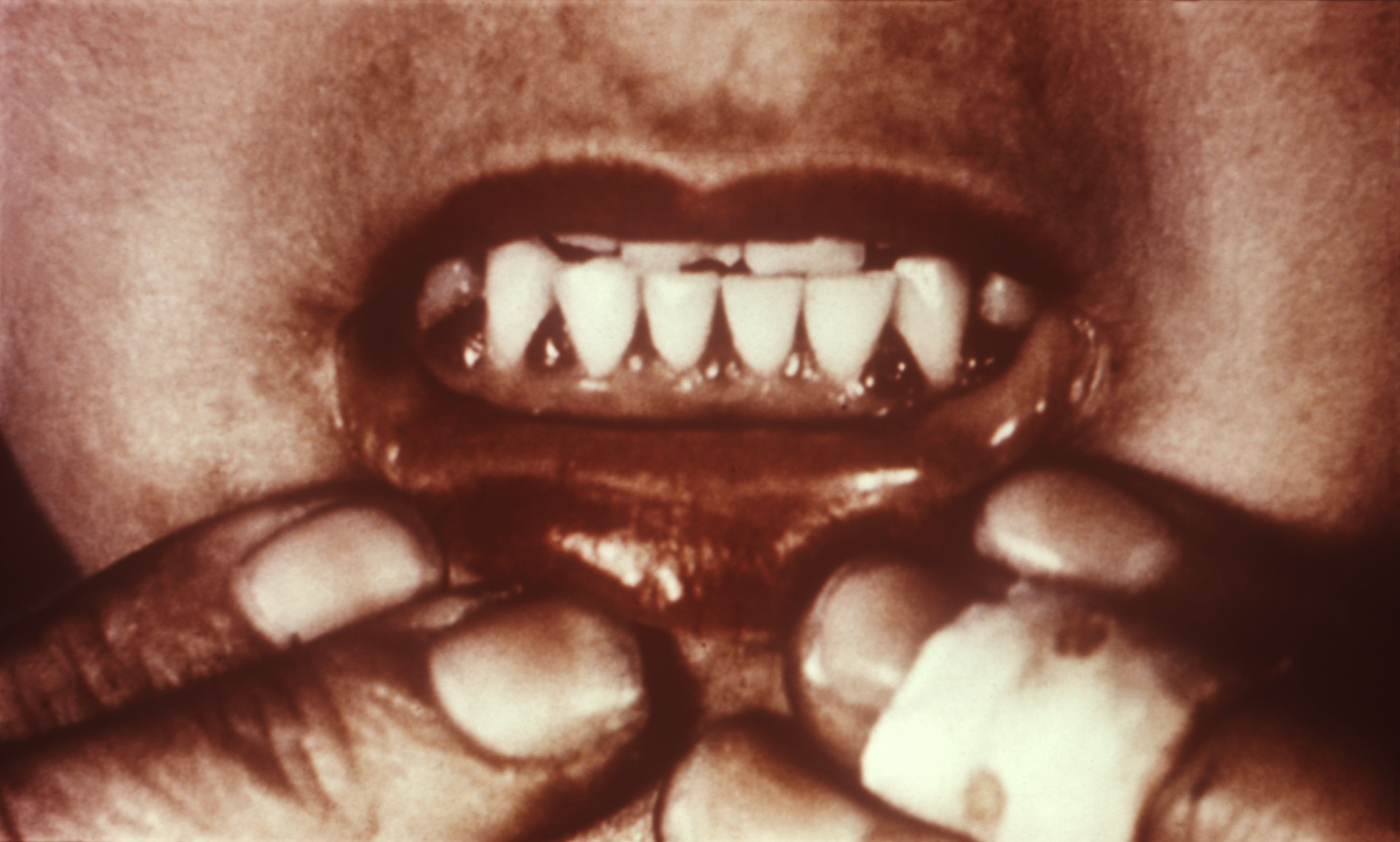
| B2 riboflavin (FAD/FMN) | Redox reactions | Cheilosis, corneal vascularization (the 2 C's) |
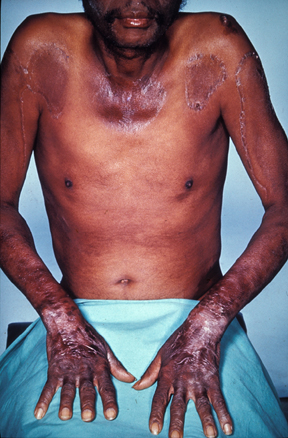
| B3 niacin (NAD⁺/NADP⁺) | Redox; made from tryptophan (needs B6) | Pellagra: dermatitis, diarrhea, dementia |
| B5 pantothenate | Component of CoA & fatty-acid synthase | Dermatitis, enteritis, alopecia, adrenal insufficiency |
| B6 pyridoxine (PLP) | Transamination, decarboxylation, heme & neurotransmitter synthesis | Sideroblastic anemia, peripheral neuropathy, convulsions |
| B7 biotin | Carboxylases (pyruvate, acetyl-CoA, propionyl-CoA) | Dermatitis, alopecia (raw egg whites — avidin) |
| B9 folate (THF) | 1-carbon transfer, dTMP/DNA synthesis | Megaloblastic anemia, neural tube defects; no neuro |
| B12 cobalamin | Methionine synthase (methyl-B12); methylmalonyl-CoA mutase (adenosyl-B12) | Megaloblastic anemia + subacute combined degeneration |
| C ascorbic acid | Collagen hydroxylation, Fe absorption, NE synthesis | Scurvy |
- Give thiamine BEFORE glucose in the alcoholic/malnourished patient — a glucose load consumes TPP and can precipitate Wernicke encephalopathy.
- Isoniazid (INH) → B6 deficiency (peripheral neuropathy, sideroblastic anemia) → always co-administer pyridoxine.
- Niacin (B3) can be synthesized from tryptophan (requires B6) → pellagra appears in Hartnup disease, carcinoid syndrome, and INH use.
- B12 and folate both cause macrocytic megaloblastic anemia with hypersegmented neutrophils — but only B12 causes neurologic deficits.
- Homocysteine is ↑ in both B12 and folate deficiency; methylmalonic acid (MMA) is ↑ only in B12 deficiency — the key discriminator.
- Never give folate alone for an unworked-up macrocytic anemia: it corrects the anemia while B12 neurologic damage silently progresses.
- Vitamin C reduces Fe³⁺→Fe²⁺, boosting nonheme iron absorption.
- Fat-soluble vitamin deficiency = think fat malabsorption (cystic fibrosis, celiac, cholestasis, chronic pancreatitis).
Fat-soluble vitamins: function, deficiency, toxicity
| Vitamin | Function | Deficiency | Toxicity |
|---|---|---|---|
| A (retinol) | Vision (retinal pigment), epithelial differentiation; ATRA treats APL (M3, t(15;17)) | Night blindness (nyctalopia), xerophthalmia, Bitot spots, follicular hyperkeratosis | Acute: N/V, ↑ intracranial pressure; chronic: alopecia, dry skin, hepatotoxicity, pseudotumor cerebri; teratogen |
| D | ↑ intestinal Ca²⁺/PO₄³⁻ absorption; bone mineralization | Rickets (children), osteomalacia (adults), hypocalcemic tetany | Hypercalcemia/hypercalciuria — seen in granulomatous disease (sarcoidosis) |
| E (tocopherol) | Antioxidant; protects RBC & neuronal membranes | Hemolytic anemia; neuro — ↓ proprioception/vibration, ataxia (mimics B12 but no megaloblastic anemia, normal MMA) | ↑ bleeding risk; antagonizes vitamin K / potentiates warfarin |
| K | γ-carboxylation of factors II, VII, IX, X, protein C & S | Neonatal hemorrhage; ↑ PT/INR (then PTT) | — |

- Alcoholic with confusion + ophthalmoplegia + ataxia → Wernicke → IV thiamine before dextrose.
- Corn-based diet, carcinoid, or Hartnup with photosensitive dermatitis (Casal necklace) + diarrhea + dementia → niacin (B3) deficiency.
- Elderly "tea-and-toast" diet with bleeding swollen gums, perifollicular hemorrhages, corkscrew hairs, poor wound healing → vitamin C (scurvy).
- Vegan, post-gastrectomy/ileal resection, or pernicious anemia with macrocytic anemia + symmetric paresthesias, ↓ vibration/proprioception, ataxia → B12 → check MMA/homocysteine, anti-intrinsic-factor antibodies.
- Neonate not given vitamin K at birth → intracranial or GI bleeding (sterile gut, no placental transfer).
- Cystic fibrosis / cholestasis child with hemolysis, ataxia, or night blindness → fat-soluble (E, A) deficiency.
B12 vs folate — the classic discriminator
| Feature | Folate (B9) | B12 (cobalamin) |
|---|---|---|
| Body stores | ~3–4 months | Years (liver) |
| Megaloblastic anemia | Yes | Yes |
| Hypersegmented neutrophils | Yes | Yes |
| Neurologic (subacute combined degeneration) | No | Yes (dorsal columns, lateral corticospinal, spinocerebellar) |
| Serum homocysteine | ↑ | ↑ |
| Methylmalonic acid | Normal | ↑ |
| Classic causes | Pregnancy, alcohol, methotrexate/trimethoprim/phenytoin | Pernicious anemia, vegan, ileal disease, Diphyllobothrium latum |
- Fat-soluble vitamins = A, D, E, K.
- Pellagra (B3) = the 3 D's: Dermatitis, Diarrhea, Dementia (untreated → Death).
- Vitamin K = Koagulation: carboxylates factors 2, 7, 9, 10 (+ protein C & S) — remember "1972."
- The 2 C's of B2 (riboflavin): Cheilosis and Corneal vascularization.
- Wernicke triad: confusion, ophthalmoplegia, ataxia (add Korsakoff's confabulation + memory loss for the full "COAT-RACK").
- Vitamin A is teratogenic (craniofacial/cardiac defects); isotretinoin requires strict contraception + pregnancy testing (iPLEDGE).
- Excess niacin (used for dyslipidemia) → flushing (prostaglandin/PGD2-mediated, blunted by aspirin), hyperglycemia, and hyperuricemia/gout.
- Excess vitamin C → calcium oxalate stones, GI upset, and worsened iron overload in hemochromatosis/thalassemia.
- Vitamin D: active form is 1,25-(OH)₂-D (calcitriol); 25-OH-D best reflects total body stores. In sarcoidosis, macrophage 1α-hydroxylase drives hypercalcemia.
- Only B12 and folate are stored in meaningful amounts — every other water-soluble deficiency manifests within weeks of poor intake.
Practice Biochemistry now
Board-style questions, spaced-repetition flashcards, and a Socratic AI tutor — free to start.