Vaccine-Preventable Diseases
A boards-focused tour of vaccine-preventable diseases linking vaccine platform (and its contraindications) to classic vignette syndromes — measles, pertussis, diphtheria, tetanus, Hib epiglottitis, and rubella — with next-best-step decisions, the CDC tetanus wound algorithm, and post-exposure prophylaxis pearls. Corrected for currency: the live zoster vaccine (Zostavax) is retired in the US and replaced by recombinant Shingrix (RZV), which is non-live and preferred in immunocompromise.
Overview: why VPDs are board magnets
Vaccine-preventable diseases (VPDs) are exam favorites because a single vaccination gap or exposure clue cracks the vignette. The USMLE tests two axes: the organism/syndrome (classic buzzwords) and the vaccine platform (which drives contraindications).
Live attenuated vaccines (MMR, varicella, rotavirus, yellow fever, intranasal influenza, oral polio, BCG) give durable immunity but are contraindicated in pregnancy and significant immunocompromise. Inactivated / toxoid / subunit / conjugate / recombinant vaccines (IPV, hepatitis A/B, Tdap, Hib, pneumococcal, HPV, recombinant zoster, rabies) are safe in those groups but often need boosters.
Falling coverage has driven resurgences of measles, pertussis, and diphtheria, so the pre-vaccine presentations are testable again. Your job: recognize the syndrome, pick the next best step (usually supportive care, a specific antitoxin/immunoglobulin, isolation, and public-health reporting), and know post-exposure prophylaxis.
- Live attenuated = MMR, varicella, rotavirus (oral), yellow fever, intranasal flu (LAIV), OPV, BCG → avoid in pregnancy & immunocompromise
- Killed/inactivated = rabies, hepatitis A, IPV (Salk), IM influenza
- Toxoid = tetanus, diphtheria → immunity targets the toxin, not the organism
- Subunit/recombinant = hepatitis B (HBsAg), HPV (VLP), acellular pertussis, recombinant zoster (Shingrix/RZV)
- Conjugate (polysaccharide + protein) = Hib, pneumococcal PCV, meningococcal (MenACWY) — needed because bare polysaccharide is T-cell independent and poorly immunogenic in kids < 2
- Tdap every pregnancy (27–36 wk) → transplacental IgG protects the newborn from pertussis
- Asplenia/sickle cell → vaccinate against encapsulated organisms (pneumococcus, meningococcus, Hib)
- Herd-immunity threshold rises with contagiousness: measles R0 ≈ 12–18 → needs ~95% coverage
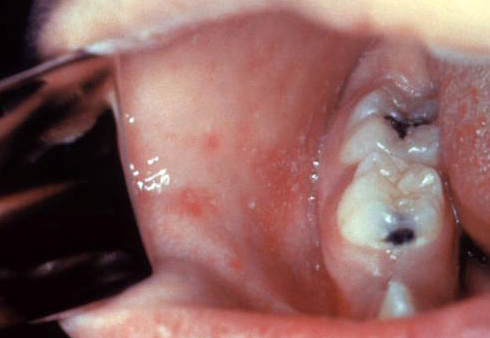
A 4-year-old unvaccinated child returns from overseas travel with 4 days of high fever plus cough, coryza, and conjunctivitis (the 3 C's). Exam shows tiny blue-white spots on the buccal mucosa, then a day later a maculopapular rash starting on the face/behind the ears that spreads cephalocaudally and becomes confluent.
- Diagnosis: Measles (rubeola, a paramyxovirus). Buccal lesions = Koplik spots — pathognomonic and precede the rash.
- Confirm: measles-specific IgM and/or RT-PCR.
- Next best step: airborne isolation + supportive care + vitamin A (reduces morbidity/mortality). Report to public health.
- Post-exposure prophylaxis for susceptible contacts: MMR within 72 h, or immunoglobulin within 6 days (infants, pregnant, immunocompromised).
- Complications: otitis media (most common), pneumonia (leading cause of death), encephalitis, and SSPE years later.

An unvaccinated 3-year-old has abrupt high fever, drooling, a muffled 'hot-potato' voice, and sits leaning forward on outstretched arms (tripod). Soft inspiratory stridor, and notably no barky cough. He looks toxic and anxious.
- Diagnosis: Acute epiglottitis, classically Haemophilus influenzae type b (Hib).
- Next best step — secure the airway: do NOT examine the pharynx, draw labs, or agitate the child. Keep him upright with a parent and take him to the OR for controlled intubation with ENT/anesthesia present.
- After the airway is safe: IV ceftriaxone + blood/epiglottis cultures.
- Lateral neck film shows the 'thumbprint sign', but imaging must not delay airway management.
- Contrast with croup (parainfluenza): barky/seal-bark cough, 'steeple sign', gradual onset, well-appearing child.
- Measles = the 3 C's → Cough, Coryza, Conjunctivitis; then Koplik spots and a Cephalocaudal rash.
- Live attenuated vaccines (avoid in pregnancy/immunocompromise): MMR, Varicella, Yellow fever, Rotavirus, Intranasal flu (LAIV), OPV, BCG.
- Rubella = the '3-day measles' with tender postauricular/suboccipital lymphadenopathy; teratogenic → congenital rubella syndrome = 'blueberry-muffin' rash, PDA, cataracts, sensorineural deafness.
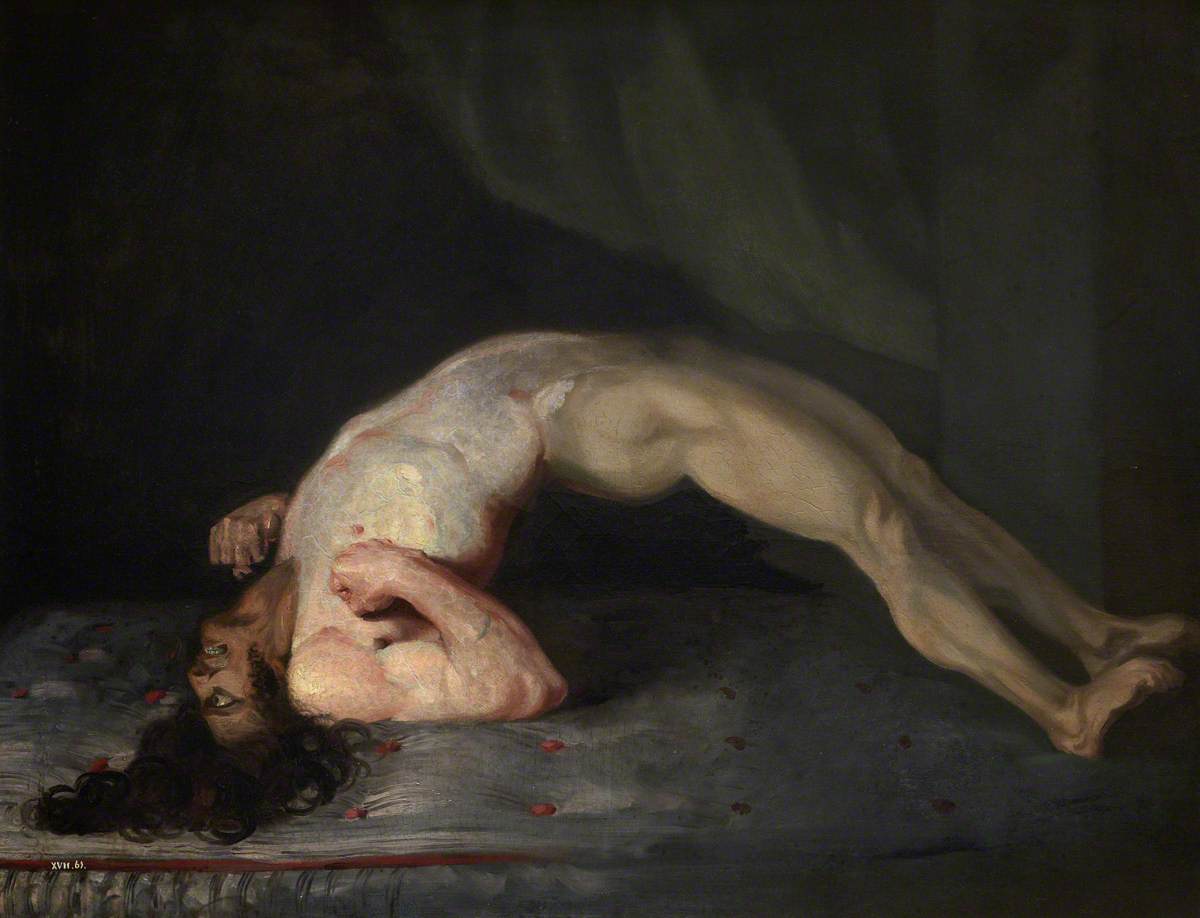
- Tetanus triad: risus sardonicus (fixed grin), trismus (lockjaw), opisthotonos (arched back).
A 30-year-old farmer sustains a deep puncture from a rusty, soil-contaminated nail. He completed his childhood DTaP series (≥ 3 doses) but his last tetanus booster was 7 years ago.
Apply the CDC wound algorithm:
| Wound | < 3 doses / unknown | ≥ 3 doses | |---|---|---| | Clean, minor | Tdap/Td | Tdap/Td only if ≥ 10 yr | | Dirty / tetanus-prone | Tdap/Td + TIG | Tdap/Td only if ≥ 5 yr |
- This patient: tetanus-prone wound, ≥ 3 doses, last dose > 5 yr → give Tdap now; TIG is NOT indicated.
- Also clean/debride the wound.
- TIG (passive immunity) is reserved for a dirty wound with < 3 doses/unknown history, or for established tetanus (add metronidazole, benzodiazepines, supportive care).
High-yield VPD comparison
| Disease (organism) | Classic clue / exposure | Vaccine type | Management |
|---|---|---|---|
| Measles (paramyxovirus) | 3 C's, Koplik spots, cephalocaudal rash; unvaccinated traveler | Live (MMR) | Supportive + vitamin A |
| Pertussis (B. pertussis) | Whooping cough, post-tussive emesis, lymphocytosis; infant apnea | Acellular (DTaP/Tdap) | Azithromycin + treat contacts |
| Diphtheria (C. diphtheriae) | Grey pseudomembrane, 'bull neck', myocarditis | Toxoid | Antitoxin first + penicillin/erythromycin |
| Tetanus (C. tetani) | Puncture wound, trismus, risus sardonicus | Toxoid | TIG + metronidazole + wound care |
| Epiglottitis (Hib) | Drooling, tripod, thumbprint sign; unvaccinated | Conjugate | Secure airway → ceftriaxone |
| Rubella (togavirus) | Postauricular LAD, blueberry-muffin baby | Live (MMR) | Supportive; avoid in pregnancy |
- Pertussis: 3 stages — catarrhal (most contagious) → paroxysmal (whoop, post-tussive emesis) → convalescent; infants present with apnea, not a whoop; azithromycin mainly reduces transmission.
- Diphtheria: exotoxin ADP-ribosylates EF-2; give antitoxin first to neutralize circulating toxin; watch for myocarditis and neuropathy.
- HPV (recombinant VLP) at 11–12 yr: 2 doses if < 15 yo, 3 doses if ≥ 15 or immunocompromised; prevents cervical/anal/oropharyngeal cancer + warts.
- Hepatitis B: universal birth dose; infant of an HBsAg-positive mother → HBV vaccine + HBIG within 12 h.
- Varicella post-exposure: vaccine within 5 days, or VariZIG for immunocompromised/pregnant/neonates.
- Zoster: the current US shingles vaccine is recombinant Shingrix (RZV), 2 doses — NOT live; it replaced live Zostavax and is safe/preferred in immunocompromise (≥ 50 yr for all adults; ≥ 19 yr if immunocompromised).
- Meningococcal MenACWY for adolescents/college dorm/military; prophylax close contacts with rifampin/cipro/ceftriaxone.
- Rotavirus (live oral): contraindicated with prior intussusception or SCID.
Practice Infectious Disease now
Board-style questions, spaced-repetition flashcards, and a Socratic AI tutor — free to start.