TORCH & Congenital Infections
A board-focused walkthrough of TORCH congenital infections, pairing each organism's exposure clue and classic findings (calcification pattern, cardiac/ocular defects, rash distribution) with the tested next-best diagnostic step and current treatment. Emphasizes high-yield discriminators: CMV periventricular vs Toxo diffuse calcifications, urine/saliva CMV PCR within 3 weeks (treat only symptomatic disease), empiric IV acyclovir for neonatal HSV, aqueous penicillin G for congenital syphilis, spiramycin for maternal acute toxoplasmosis, and MCA Doppler for parvovirus B19 fetal anemia.
Overview: the shared TORCH phenotype
TORCH infections cross the placenta (transplacental) or are acquired perinatally, producing overlapping neonatal disease. Timing matters: first-trimester infection (classically rubella) disrupts organogenesis → structural defects; later infection causes active tissue destruction.
Most TORCH infants share a nonspecific phenotype: IUGR/low birth weight, hepatosplenomegaly, thrombocytopenia with petechiae, jaundice (direct/conjugated hyperbilirubinemia from hepatitis), and the "blueberry muffin" rash (dermal extramedullary hematopoiesis). Because these overlap, boards test the distinguishing clue — an exposure, a calcification pattern, or a specific organ defect.
TORCH = Toxoplasmosis, Other (syphilis, VZV, parvovirus B19, Zika, HIV, Listeria), Rubella, CMV, HSV. CMV is the most common congenital infection overall and the leading non-genetic (non-hereditary) cause of sensorineural hearing loss (SNHL).

- CMV: periventricular calcifications + microcephaly + SNHL; most common congenital infection
- Toxoplasmosis: classic triad = diffuse/scattered intracranial calcifications + hydrocephalus + chorioretinitis; cat litter / undercooked meat
- Rubella: PDA (or peripheral pulmonary artery stenosis) + cataracts + "salt-and-pepper" retinopathy + deafness; nonimmune mother, 1st trimester
- HSV (usually HSV-2): vesicular skin lesions, seizures/encephalitis; acquired intrapartum, often NO maternal history
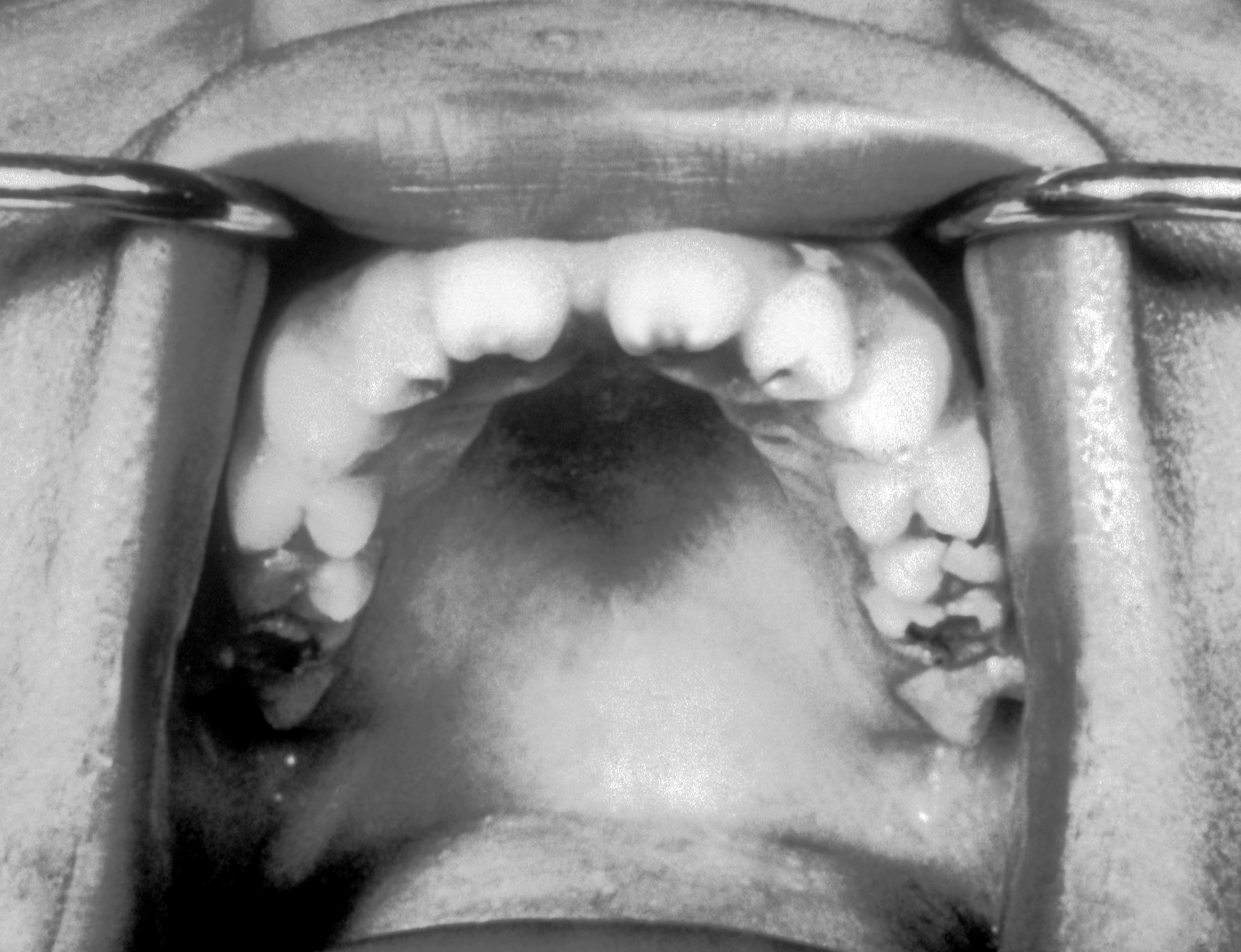
- Syphilis: snuffles (rhinitis) + rash on palms & soles + long-bone periostitis; late Hutchinson teeth, saddle nose, saber shins
- Parvovirus B19: hydrops fetalis from severe fetal anemia — the virus destroys erythroid precursors (red cell aplasia/aplastic crisis) → high-output failure
- Zika: severe microcephaly + subcortical (cortico-subcortical junction) calcifications; Aedes mosquito/travel
- VZV: limb hypoplasia + cicatricial (dermatomal) skin scarring
Comparison: exposure → findings → treatment
| Organism | Exposure clue | Classic neonatal findings | Treatment |
|---|---|---|---|
| CMV | daycare/toddler contact; often asymptomatic mom | Periventricular calcifications, microcephaly, SNHL, petechiae | Valganciclovir (symptomatic disease) |
| Toxoplasma | cat litter/oocysts, undercooked meat | Diffuse calcifications, hydrocephalus, chorioretinitis | Pyrimethamine + sulfadiazine + leucovorin |
| Rubella | nonimmune mom, 1st trimester | PDA, cataracts, deafness, blueberry muffin | Supportive; prevent with MMR |
| HSV-2 | delivery through active lesions | Skin vesicles, seizures, sepsis-like | IV acyclovir |
| Syphilis | untreated maternal syphilis | Snuffles, palm/sole rash, periostitis | IV penicillin G |
| Parvovirus B19 | fifth-disease exposure | Hydrops fetalis, severe fetal anemia | Intrauterine transfusion |
A term newborn is small for gestational age with microcephaly, scattered petechiae and a "blueberry muffin" rash, and hepatosplenomegaly. He fails the newborn hearing screen. Head ultrasound shows periventricular calcifications.
- Diagnosis: Congenital CMV.
- Next best step: Confirm with CMV PCR/culture of urine or saliva within the first 21 days (3 weeks) of life — after 3 weeks you cannot distinguish congenital from postnatally acquired infection.
- Management: Symptomatic disease (CNS involvement, SNHL) → oral valganciclovir for 6 months, which improves hearing and neurodevelopmental outcomes. Monitor CBC for neutropenia.
- Pearl: Most congenital CMV is asymptomatic at birth yet can still cause late-onset/progressive SNHL — the rationale for universal newborn hearing screening. Treat only symptomatic disease, not asymptomatic infection.
A previously well 11-day-old presents with lethargy, poor feeding, a seizure, and clustered vesicles on the scalp. The mother denies any genital herpes history.
- Diagnosis: Neonatal HSV (usually HSV-2, acquired intrapartum). Absent maternal history is common and does NOT rule it out.
- Next best step: Start empiric high-dose IV acyclovir immediately — do not wait for confirmation.
- Workup: HSV PCR of CSF and blood, surface swabs (eye/mouth/nasopharynx/rectum), LFTs. Disease patterns = SEM (skin-eye-mouth), CNS, or disseminated.
- Prevention: Cesarean delivery if active maternal lesions (or prodrome) are present at labor.
- TORCH = Toxoplasmosis, Other (syphilis, VZV, parvovirus B19, Zika, HIV, Listeria), Rubella, CMV, HSV.
- Calcification pattern: CMV = Circum-Ventricular (periventricular) vs Toxo = Tossed throughout (diffuse/scattered).
- Rubella = the 3 C's: Cataracts, Cardiac (PDA), Cochlear (deafness).
- Hutchinson triad (late congenital syphilis): notched Hutchinson teeth + interstitial keratitis + CN VIII (sensorineural) deafness.
- Suspected congenital CMV → urine/saliva CMV PCR in the first 3 weeks; blood PCR is less sensitive. Treat only symptomatic disease (valganciclovir).
- Suspected congenital toxoplasmosis → maternal/infant serology + amniotic-fluid PCR; treat infant with pyrimethamine + sulfadiazine + leucovorin.
- Maternal acute toxoplasmosis before fetal infection is confirmed → spiramycin to reduce transmission.
- Any neonate with sepsis-like illness, vesicles, or unexplained seizures → empiric IV acyclovir while awaiting HSV PCR.
- Congenital syphilis screen: nontreponemal (RPR/VDRL) + treponemal test; compare infant vs maternal titers → treat with IV aqueous penicillin G.
- Fetal hydrops + maternal parvovirus B19 → middle cerebral artery peak-systolic-velocity Doppler; intrauterine transfusion if severe anemia.
- Prevent rubella & varicella with MMR/varicella vaccines pre-pregnancy (live vaccines — contraindicated during pregnancy).
A neonate born to a mother with no prenatal care has copious nasal discharge ("snuffles"), a desquamating maculopapular rash on the palms and soles, and hepatosplenomegaly. Long-bone films show metaphyseal lucencies and periostitis.
- Diagnosis: Early congenital syphilis.
- Next best step: Nontreponemal test (RPR/VDRL) with quantitative titer, confirm with a treponemal test; evaluate CSF (VDRL, cell count, protein).
- Treatment: IV aqueous crystalline penicillin G (10 days). Penicillin allergy is not an out — desensitize.
- Late (untreated) stigmata: Hutchinson teeth, mulberry molars, saddle nose, saber shins, interstitial keratitis, CN VIII deafness.
Practice Infectious Disease now
Board-style questions, spaced-repetition flashcards, and a Socratic AI tutor — free to start.