Infections in Pregnancy
A board-focused walkthrough of pregnancy infections in two buckets: congenital TORCH pathogens (buzzwords, calcification patterns, screening) and peripartum bacterial infections (GBS prophylaxis, chorioamnionitis, antibiotic safety), anchored by next-best-step vignettes.
Overview: two axes of testing
Infections in pregnancy are tested along two axes. (1) Congenital infections cross the placenta and cause fetal malformation — the classic TORCH group. (2) Peripartum/maternal infections (Group B Strep, chorioamnionitis, UTI) cause neonatal sepsis or maternal morbidity.
Timing drives the phenotype: first-trimester infection → structural anomalies; intrapartum exposure (GBS, HSV, HIV) → neonatal sepsis or disseminated disease. Boards reward pattern recognition — a constellation of fetal findings points to one pathogen, each with a defined screening test and a scripted next-best-step.
Prevention is heavily tested: universal prenatal screening (syphilis, HBV, HIV, rubella immunity, asymptomatic bacteriuria at the first visit; GBS at 36–37 wk) and knowing that live vaccines (MMR, varicella) are contraindicated in pregnancy — give them postpartum.
- CMV — the MOST common congenital infection; periventricular calcifications, microcephaly, sensorineural hearing loss (SNHL), petechiae/"blueberry muffin," hepatosplenomegaly
- Toxoplasma gondii — cat litter / undercooked meat; triad = diffuse intracranial calcifications + hydrocephalus + chorioretinitis
- Rubella — cataracts + PDA + SNHL; "blueberry muffin" rash; live vaccine → give postpartum only
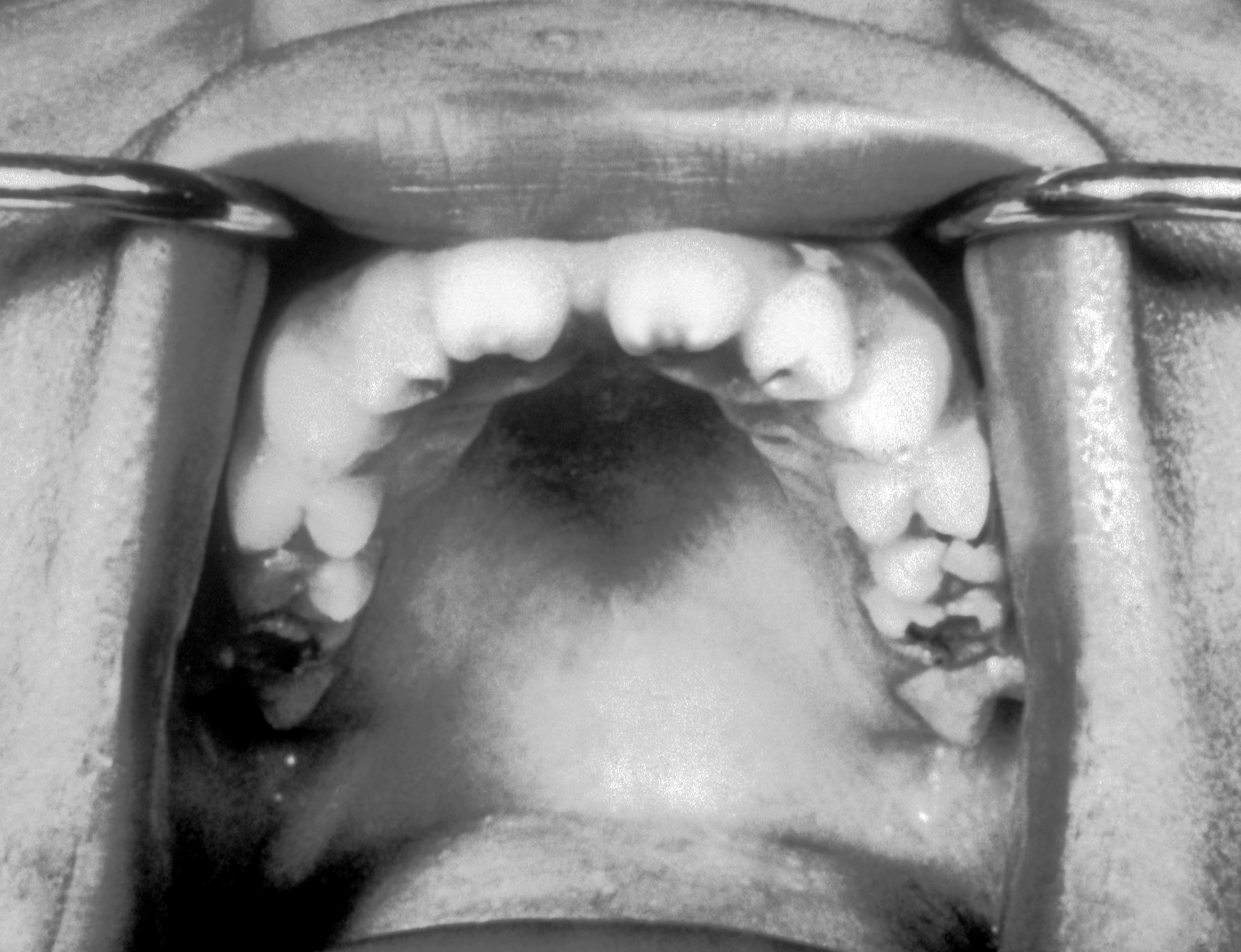
- Syphilis (T. pallidum) — snuffles, saddle nose, Hutchinson teeth, saber shins, interstitial keratitis; treat mother with penicillin (desensitize if allergic)
- Parvovirus B19 — hydrops fetalis / fetal anemia; monitor with MCA Doppler
- Varicella (VZV) — limb hypoplasia, cicatricial skin scars; give neonate VariZIG if maternal rash from 5 days before to 2 days after delivery
- Zika — microcephaly + intracranial calcifications (mosquito/sexual)
- HSV — active genital lesions at labor → cesarean delivery
TORCH quick-compare
| Pathogen | Exposure / buzzword | Classic fetal findings | Management pearl |
|---|---|---|---|
| CMV | Most common congenital infection | Periventricular calcifications, microcephaly, SNHL, petechiae | Confirm: urine/saliva CMV PCR <3 wk of life; valganciclovir if symptomatic |
| Toxoplasma | Cat litter, undercooked meat | Diffuse calcifications, hydrocephalus, chorioretinitis | Prevent exposure; spiramycin (mom) |
| Rubella | Non-immune mom, 1st trimester | Cataracts, PDA, SNHL, "blueberry muffin" rash | Live vaccine — give postpartum only |
| Syphilis | Reactive RPR/VDRL screen | Snuffles, saddle nose, Hutchinson teeth, saber shins | Penicillin G; desensitize if allergic |
| Parvovirus B19 | Slapped-cheek exposure | Hydrops fetalis, fetal anemia | Serial MCA Doppler; intrauterine transfusion if severe |
Vignette: A term neonate has microcephaly, scattered petechiae, hepatosplenomegaly, and fails the newborn hearing screen. Head ultrasound shows periventricular calcifications. The mother recalls a mild flu-like illness in the first trimester.
Diagnosis: Congenital CMV — the most common congenital infection. Key contrast: toxoplasmosis shows diffuse/scattered calcifications + hydrocephalus + chorioretinitis (mnemonic below).
Next step: Confirm with urine or saliva CMV PCR within the first 3 weeks of life — after 3 weeks you cannot distinguish congenital from perinatally acquired infection. Treat symptomatic infants with oral valganciclovir to reduce hearing-loss progression.
Vignette: A 37-week G2P1 presents in active labor. Her routine rectovaginal culture at 36 weeks was GBS-positive. She has no drug allergies; membranes just ruptured.
Next best step: Intrapartum IV penicillin G (first line; ampicillin is the alternative), ideally ≥4 hours before delivery.
Penicillin-allergy branch: low anaphylaxis risk → cefazolin; high risk (anaphylaxis/SJS) → clindamycin only if the isolate is susceptible, otherwise vancomycin.
Other indications for intrapartum prophylaxis: GBS bacteriuria this pregnancy, a prior GBS-affected infant, or unknown status with risk factors (<37 wk, ROM ≥18 h, or intrapartum fever ≥38°C). GBS (S. agalactiae) is the leading cause of early-onset neonatal sepsis.
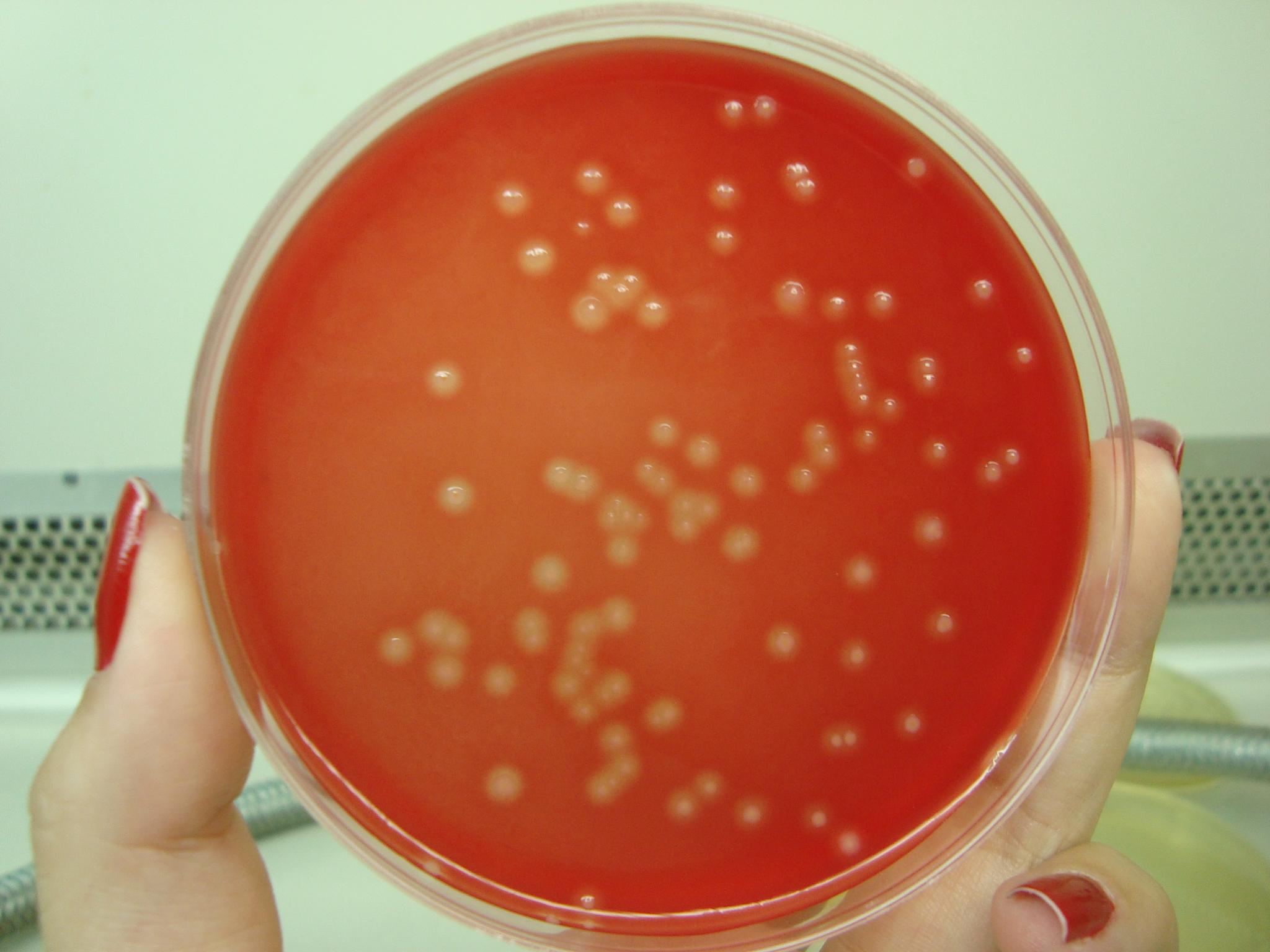
- GBS (S. agalactiae) — universal rectovaginal culture at 36 0/7–37 6/7 wk; intrapartum penicillin G
- Asymptomatic bacteriuria — screen at first prenatal visit; TREAT in pregnancy (unlike nonpregnant patients) to prevent pyelonephritis and preterm birth
- Chorioamnionitis — maternal fever + fetal tachycardia + uterine tenderness/foul fluid → ampicillin + gentamicin AND deliver (delivery is the treatment — do not delay; add clindamycin for cesarean)
- Listeria — deli meats / unpasteurized cheese → ampicillin
Antibiotic safety (high-yield):
- Safe: penicillins, cephalosporins, azithromycin
- Avoid (routine use): fluoroquinolones (cartilage), tetracyclines (teeth/bone), TMP-SMX (folate antagonist early → NTDs; kernicterus near term); aminoglycosides carry ototoxicity risk but are still used for serious infection (e.g., chorioamnionitis)
- Nitrofurantoin — avoid near term and in G6PD deficiency (neonatal hemolysis)
ToRCHeS — the classic congenital-infection screen:
- To — Toxoplasma gondii
- R — Rubella
- C — CMV
- He — Herpes / HIV
- S — Syphilis
("Other": Parvovirus B19, VZV, Zika, Listeria)
Calcification location separates the two great mimics: CMV = periventricular; Toxoplasma = diffuse/scattered (plus hydrocephalus + chorioretinitis).
Hutchinson triad (late congenital syphilis) = Hutchinson (notched) teeth + interstitial keratitis + sensorineural deafness.
Vignette: A woman at 24 weeks has a reactive RPR confirmed by FTA-ABS. She reports a documented anaphylactic reaction to penicillin.
Next best step: Penicillin desensitization, then treat with benzathine penicillin G — the only regimen proven to treat the fetus. Do not substitute doxycycline/tetracyclines (contraindicated in pregnancy) or macrolides (unreliable, resistance).
Anticipate: a Jarisch-Herxheimer reaction (fever, chills, myalgias, uterine contractions) within hours of the first dose — self-limited; manage supportively, do not withhold treatment. All pregnant patients are screened for syphilis at the first prenatal visit.
Practice OB/GYN now
Board-style questions, spaced-repetition flashcards, and a Socratic AI tutor — free to start.