HIV/AIDS: Diagnosis, Staging & Antiretroviral Therapy
A boards-focused walkthrough of HIV/AIDS: virology and transmission, the CDC antigen/antibody diagnostic algorithm and window period, CD4-based opportunistic-infection staging, and modern antiretroviral therapy — with high-yield vignettes and next-best-step decisions.
Virology, Transmission & Natural History
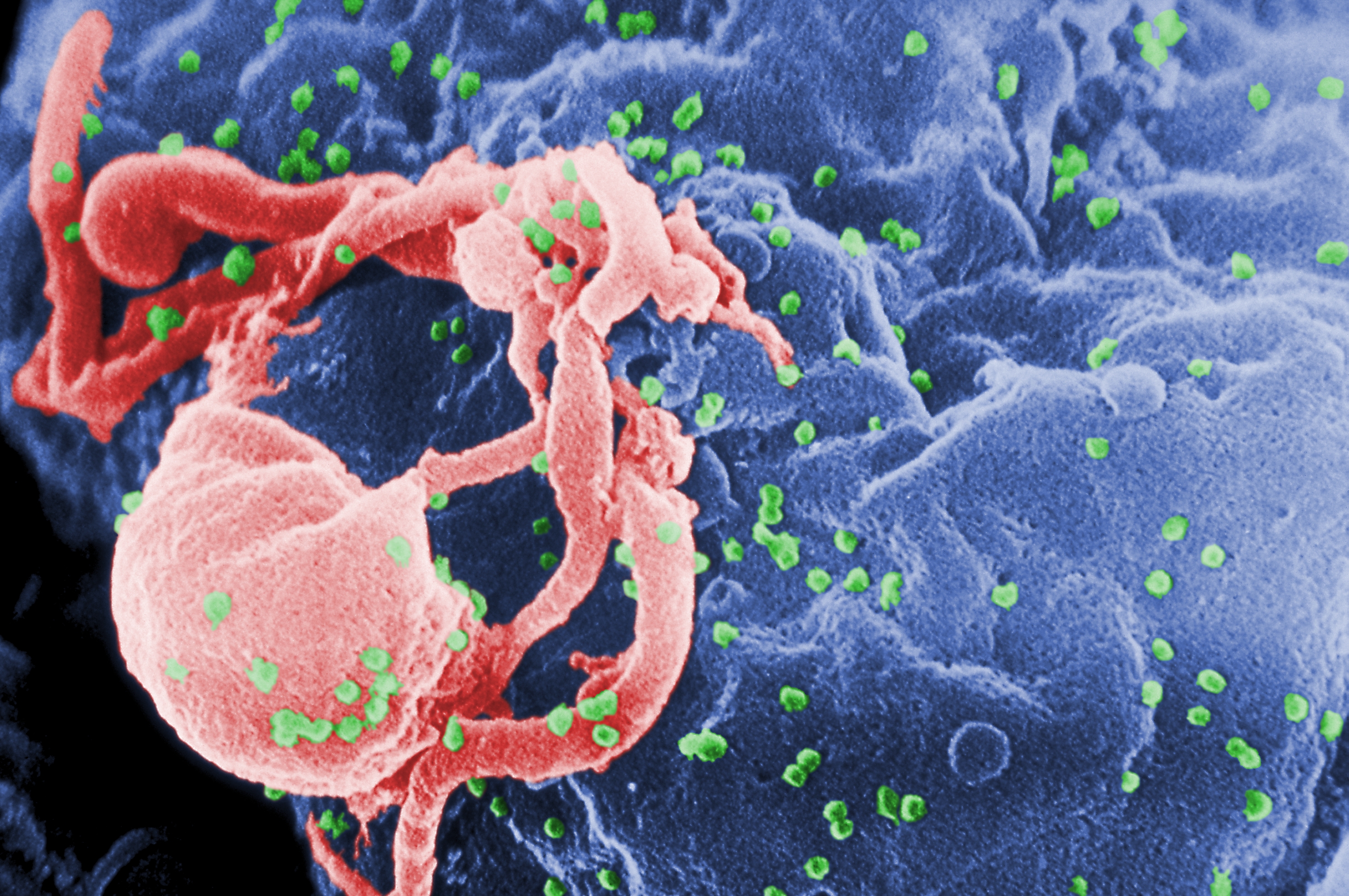
HIV is a Lentivirus (family Retroviridae): an enveloped virus carrying two (+)-ssRNA copies plus reverse transcriptase, integrase, and protease. Envelope gp120 binds host CD4 plus a chemokine coreceptor — CCR5 (macrophages/dendritic cells, early infection) then CXCR4 (T cells, late). Homozygous CCR5-Δ32 confers near-resistance; heterozygotes progress more slowly. HIV infects CD4⁺ T cells, macrophages, and dendritic cells; transmission is sexual, parenteral (blood), or perinatal.
Untreated course: acute retroviral syndrome (weeks) → clinical latency (years) → AIDS. The CD4 count predicts opportunistic-infection risk and drives prophylaxis; the viral load (HIV RNA) measures disease activity and treatment response. On boards, three moves win points: match the CD4 threshold to the bug, recognize the window period, and start antiretroviral therapy in everyone.
- Screen with a 4th-generation Ag/Ab combination immunoassay (detects p24 antigen + HIV-1/2 antibodies)
- Positive screen → HIV-1/HIV-2 antibody differentiation assay (confirms and types the virus)
- Screen positive but differentiation indeterminate/negative → HIV-1 RNA (NAT) resolves it; the old Western blot algorithm is obsolete (dropped in 2014)
- Acute infection / window period: RNA and p24 turn positive before antibody — order an HIV RNA viral load, not antibody alone
- AIDS = CD4 <200 cells/µL (or CD4 <14%) OR an AIDS-defining illness (PCP, esophageal candidiasis, Kaposi sarcoma, CNS toxoplasmosis, disseminated MAC…)
- Follow CD4 for OI risk/prophylaxis; follow viral load for treatment response (goal: undetectable)

Vignette: A 25-year-old has 5 days of fever, sore throat, tender diffuse lymphadenopathy, a maculopapular rash, myalgias, and painful oral ulcers — beginning ~3 weeks after a new sexual partner. Heterophile (Monospot) test is negative.
- Diagnosis: Acute (primary) HIV — the acute retroviral syndrome, a mononucleosis-like illness with very high viremia.
- Next best step: HIV-1 RNA viral load (plus a 4th-gen Ag/Ab assay). In the window period the antibody may be negative while RNA is markedly elevated and p24 antigen is positive.
- Key pitfall: A negative HIV antibody does NOT exclude acute infection — never stop at antibody testing. Catching acute HIV enables early ART and cuts transmission.
Opportunistic Infections by CD4 Threshold
| CD4 (cells/µL) | Organism / disease | Classic clue | Treatment (± prophylaxis) |
|---|---|---|---|
| <200 | Pneumocystis jirovecii (PCP) | dry cough, hypoxia, bilateral ground-glass, ↑LDH | TMP-SMX (+ steroids if PaO₂<70); ppx TMP-SMX |
| <150 | Histoplasma (disseminated) | pancytopenia, hepatosplenomegaly, Ohio/Mississippi valley | liposomal amphotericin B → itraconazole |
| <100 | Candida esophagitis | odynophagia, white plaques | fluconazole |
| <100 | Toxoplasma gondii | multiple ring-enhancing basal-ganglia lesions | pyrimethamine + sulfadiazine + leucovorin; ppx TMP-SMX if IgG⁺ |
| <100 | Cryptococcus neoformans | subacute meningitis, ↑ opening pressure, CrAg/India ink | amphotericin B + flucytosine → fluconazole |
| <50 | CMV | retinitis "pizza-pie," colitis, esophagitis (linear ulcers) | ganciclovir/valganciclovir |
| <50 | Mycobacterium avium complex (MAC) | fever, wasting, ↑ ALP, hepatosplenomegaly | clarithro/azithro + ethambutol; ppx azithromycin |
- Start ART in everyone at diagnosis, regardless of CD4 — begin as soon as possible
- Standard regimen = 2 NRTIs + an INSTI (integrase inhibitor, "-tegravir," the preferred anchor) — e.g., bictegravir/tenofovir alafenamide/emtricitabine or dolutegravir + tenofovir/emtricitabine
- Backbone toxicities: tenofovir (TDF) → nephrotoxicity (Fanconi), ↓bone density; abacavir → hypersensitivity, so check HLA-B*5701 first; zidovudine → macrocytic/megaloblastic anemia, myopathy
- NNRTI efavirenz → vivid dreams/CNS effects, rash; PIs ("-navir") → hyperlipidemia, lipodystrophy, insulin resistance; ritonavir is a CYP3A4-inhibitor booster
- Maraviroc = CCR5 antagonist (needs a tropism assay); enfuvirtide = fusion (gp41) inhibitor
- U = U: a durably undetectable viral load = untransmittable
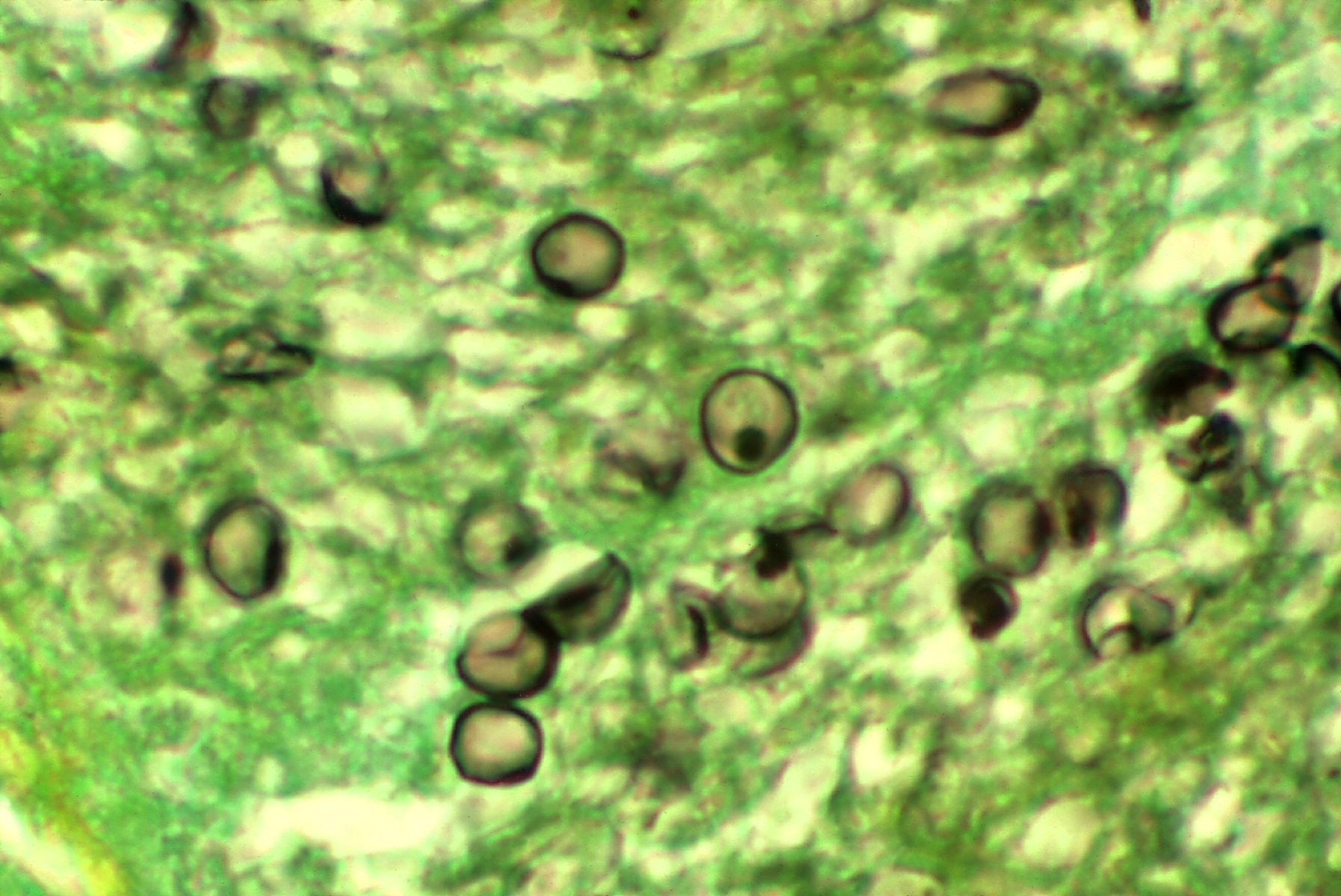
Vignette: A 38-year-old with HIV (CD4 90, not on ART) has 3 weeks of progressive exertional dyspnea and dry cough; T 38.5 °C, SpO₂ 86% on room air. CXR shows diffuse bilateral interstitial (ground-glass) infiltrates; LDH is elevated.
- Diagnosis: Pneumocystis jirovecii pneumonia (PCP).
- Confirm: induced sputum or BAL with silver (GMS) or immunofluorescent stain — Pneumocystis cannot be cultured.
- Treatment: TMP-SMX. Add corticosteroids because PaO₂ <70 mmHg (or A–a gradient ≥35) — steroids reduce mortality in moderate-to-severe PCP.
- Then start ART, and watch for IRIS (paradoxical worsening of the OI as immunity recovers).
The CD4 "OI ladder" — know the number, name the bug:
- 200 → PCP (start TMP-SMX prophylaxis at this line)
- 100 → Toxoplasma & Cryptococcus
- 50 → CMV & MAC — "under 50, you'll see CMV/MAC"
Other board classics:
- CMV retinitis = "pizza-pie" retinopathy (hemorrhages + exudates)
- Toxoplasma = multiple ring-enhancing lesions vs primary CNS lymphoma = single/few (EBV⁺ CSF); treat empirically for toxo and re-image — improvement favors toxo
- Abacavir → HLA-B*5701 (test before starting to avoid hypersensitivity)
- Ground-glass + ↑LDH + hypoxia = PCP
- Prophylaxis: CD4 <200 → TMP-SMX (PCP; also covers Toxoplasma when <100 and Toxo IgG⁺). CD4 <50 → azithromycin for MAC — note: current NIH/IDSA guidance defers primary MAC prophylaxis if effective ART is started promptly; the classic exam answer remains azithromycin.
- PrEP (HIV-negative, high risk): daily tenofovir/emtricitabine or long-acting injectable cabotegravir; confirm the patient is HIV-negative first.
- PEP: start within 72 h, 3-drug ART for 28 days (occupational or sexual exposure).
- Perinatal: ART throughout pregnancy → undetectable viral load nearly eliminates vertical transmission; IV zidovudine intrapartum if VL >1000; avoid breastfeeding in resource-rich settings.
- IRIS: paradoxical worsening of an OI (TB, Cryptococcus, MAC) soon after ART begins as immune function recovers.
Practice Infectious Disease now
Board-style questions, spaced-repetition flashcards, and a Socratic AI tutor — free to start.