Contraception
A high-yield Step 2 CK review of contraception covering effectiveness tiers (LARC first-line), the estrogen contraindications that dominate the exam (MEC category 4), emergency-contraception selection by timing and BMI, and classic IUD management pearls. Structured around next-best-step decisions with vignette buzzwords.
Overview: match the method to the comorbidity
Contraceptive counseling on boards is about matching an effective method to a patient's comorbidities and preferences, then defending the choice. Methods are ranked by typical-use failure (real world) vs perfect-use failure. Long-acting reversible contraception (LARC) — the etonogestrel implant and IUDs — has typical-use failure <1% and is first-line for most patients, including adolescents (ACOG/AAP), because efficacy does not depend on adherence.
Two hormone strategies dominate: estrogen + progestin (combined) methods (pill, patch, ring) and progestin-only methods (POP, DMPA, implant, LNG-IUD). Progestins provide the core contraceptive effect — thickening cervical mucus, suppressing the LH surge / ovulation, and thinning the endometrium; estrogen mainly suppresses FSH to stabilize the cycle and bleeding. The exam's recurring decision point: when is estrogen too dangerous to use?
- Migraine WITH aura at any age → estrogen raises ischemic stroke risk; use progestin-only or an IUD
- Age ≥35 AND smoking ≥15 cigarettes/day → VTE/MI risk (category 4); age ≥35 with <15 cigs/day = category 3
- History of VTE (DVT/PE), known thrombophilia (e.g., Factor V Leiden), or major surgery with prolonged immobilization
- <21 days postpartum (VTE risk) — and longer while breastfeeding or with added VTE risk factors
- Current breast cancer (hormone-sensitive)
- Uncontrolled HTN ≥160/100, ischemic heart disease, prior stroke, or complicated valvular disease
- SLE with positive (or unknown) antiphospholipid antibodies
- Severe (decompensated) cirrhosis or a liver tumor (hepatocellular adenoma/carcinoma)
Pearl: combined OCPs lower ovarian and endometrial cancer risk; they modestly raise VTE and (long-term) cervical cancer risk, with a small increase in breast cancer risk. The copper IUD carries none of the contraindications above. Progestin-only methods avoid the estrogen-driven risks (VTE, stroke, HTN) — but current breast cancer is MEC category 4 for every hormonal method, progestin-only included.
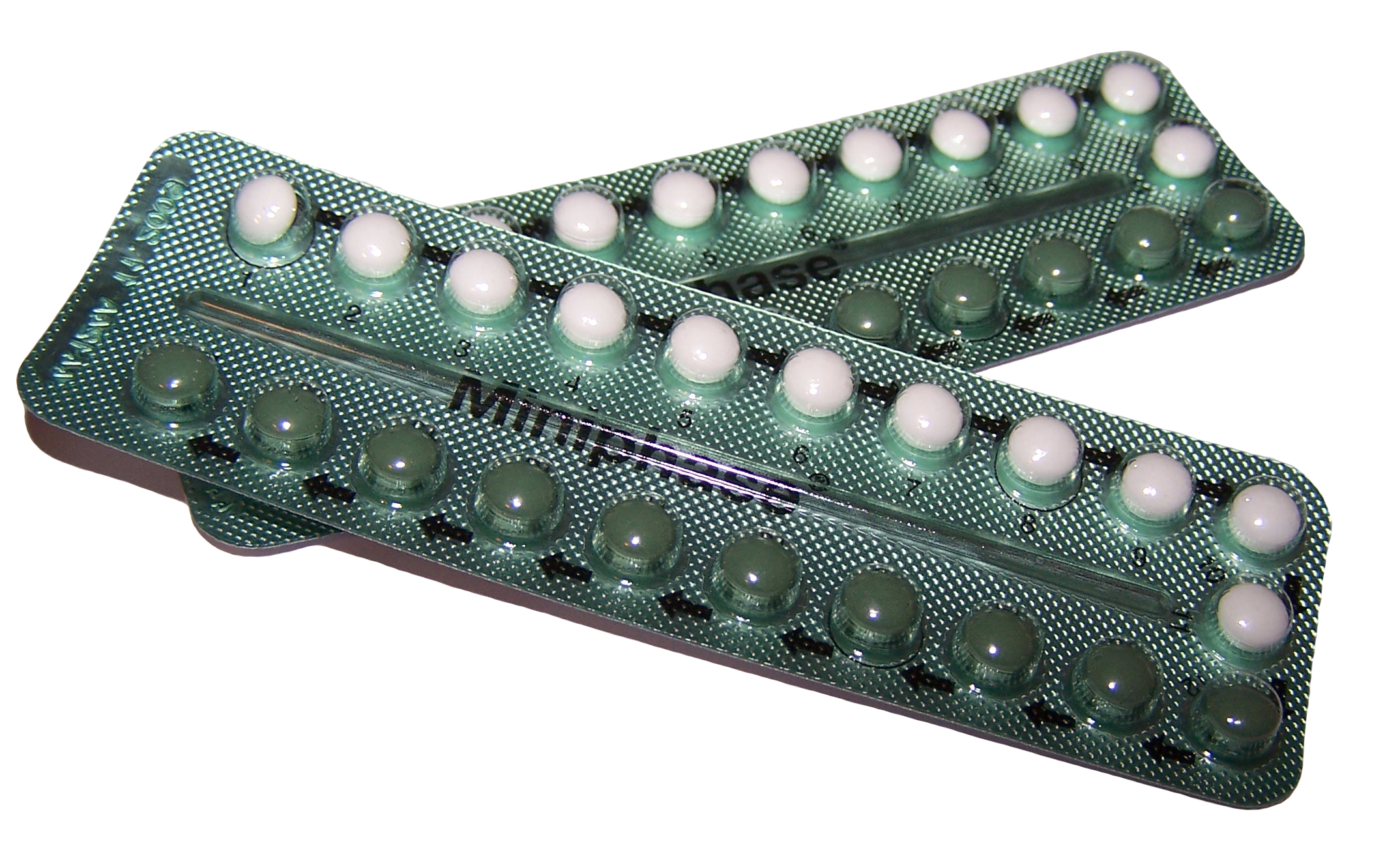
Methods at a glance
| Method | Typical failure/yr | Boards pearl |
|---|---|---|
| Etonogestrel implant | ~0.1% | Most effective; irregular bleeding is #1 side effect and cause of removal |
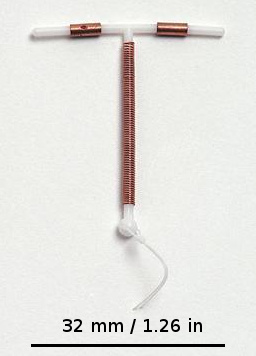
| LNG-IUD | 0.1–0.4% | ↓ menstrual blood loss → treats menorrhagia; lasts 3–8 yr |
| Copper IUD | ~0.8% | Non-hormonal, up to 10 yr; ↑ bleeding/cramps; best EC; avoid in Wilson disease |
| DMPA (depot) | ~4% | q3 months; reversible ↓ bone density (black-box); delayed fertility return (~10 mo) |
| Pill / patch / ring | ~7% | Estrogen contraindications apply (patch = higher VTE risk) |
| Progestin-only pill | ~7% | Traditional POP must be taken same time daily (3-hr window); good while breastfeeding |
| Male condom | ~13% | Only method that also prevents STIs |
| Withdrawal / FAM | ~20% / 2–23% | Least reliable |
Vignette: A 34-year-old woman requests to start a combined OCP. She has recurrent headaches preceded by 20 minutes of shimmering zig-zag lines and a scintillating blind spot. BP 118/74; she is a non-smoker.
- Diagnosis: migraine WITH aura — an absolute contraindication (MEC category 4) to estrogen because of ischemic stroke risk.
- Next best step: offer an estrogen-free method — progestin-only pill, DMPA, etonogestrel implant, or copper/LNG-IUD. LARC is preferred.
- Classic twist: if a patient already on a combined OCP develops new aura or focal neurologic symptoms, stop the estrogen-containing method immediately.
Vignette: A 22-year-old woman (BMI 34) presents 4 days after a condom broke during intercourse. She does not want to be pregnant and would also like reliable ongoing contraception. Urine pregnancy test is negative.
- Best next step: place a copper IUD — the most effective emergency contraception (>99%), effective up to 5 days after intercourse, unaffected by BMI, and it provides years of ongoing contraception.
- If she declines an IUD: give ulipristal acetate 30 mg (effective to 120 h; better than levonorgestrel at higher BMI).
- Levonorgestrel 1.5 mg (Plan B) is OTC but the least effective oral choice here — best within 72 h and reduced efficacy with obesity.
Emergency contraception — pick by timing and BMI
| Option | Window | Boards pearl |
|---|---|---|
| Copper IUD | ≤5 days | Most effective (>99%); works at any BMI; provides ongoing LARC |
| Ulipristal acetate 30 mg | ≤5 days (120 h) | SPRM; more effective than LNG, esp. BMI >26; delay starting hormonal contraception ~5 days |
| Levonorgestrel 1.5 mg | ≤3 days (some effect to 5) | OTC; ↓ efficacy if obese/BMI >30 |
- Postpartum/breastfeeding: progestin-only methods and IUDs are safe (often placed immediately); avoid estrogen for the first ~3 weeks (VTE), longer if breastfeeding plus added risk factors.
- PID risk with IUDs is elevated only in the first ~20 days after insertion (procedure-related), not long-term; IUDs are appropriate in screened nulliparous and adolescent patients.
- Actinomyces-like organisms on Pap in an asymptomatic IUD user → leave the IUD in, no antibiotics.
- PID develops with an IUD in place → treat with antibiotics and leave the IUD, unless no improvement in 48–72 h.
- Enzyme inducers (rifampin, certain antiepileptics, St. John's wort) reduce efficacy of pills/patch/ring/implant — IUDs and DMPA are unaffected.

Counsel every patient starting an estrogen-containing method to seek care for ACHES:
- A — Abdominal pain (VTE; hepatic adenoma)
- C — Chest pain (PE, MI)
- H — Headache, severe (stroke)
- E — Eye problems: vision loss or diplopia (retinal vein thrombosis, stroke)
- S — Severe leg pain (DVT)
Most letters point to the thromboembolic complications that make estrogen risky — the same theme as the MEC category 4 list.
Practice Reproductive now
Board-style questions, spaced-repetition flashcards, and a Socratic AI tutor — free to start.